

Stainless Steel vs. Carbon Steel Electrical Enclosures: Which is Best for Harsh Environments?
Release time: 2026-05-06
Table of Contents
When designing electrical systems for industrial, outdoor, or highly corrosive settings, safeguarding sensitive components is the most critical step. A single breach in an enclosure can lead to catastrophic system failures, expensive downtime, and severe safety hazards. When it comes to selecting the right material for these protective cabinets, engineers usually face a common dilemma: should they choose stainless steel or carbon steel?
Both materials offer robust physical protection, but their performance diverges significantly when exposed to moisture, chemicals, salt spray, and extreme temperatures. In this comprehensive guide, we will analyze the technical differences between stainless steel and carbon steel to help you determine which is the optimal choice for your specific harsh environment.
Understanding the Demands of “Harsh Environments”
Before comparing materials, it is essential to define what constitutes a “harsh environment” in the context of electrical engineering. Standard indoor environments typically only require protection against falling dirt and basic human contact. However, harsh environments introduce severe variables:
- High Humidity and Moisture: Facilities like water treatment plants or outdoor installations exposed to rain and snow.
- Corrosive Chemicals: Petrochemical plants, food processing facilities subject to washdowns, and fertilizer manufacturing plants.
- Marine Conditions: Coastal areas, offshore oil rigs, and shipyards where salt-laden air relentlessly attacks metal surfaces.
- Extreme Temperatures: Deserts with blistering heat or arctic regions with freezing conditions.
To quantify protection against these elements, engineers rely on strict outdoor electrical enclosure protection ratings (such as NEMA and IP standards). Selecting the right base material is the foundational step in achieving and maintaining these critical ratings over the lifespan of the equipment.
Carbon Steel Electrical Enclosures: Pros, Cons, and Applications
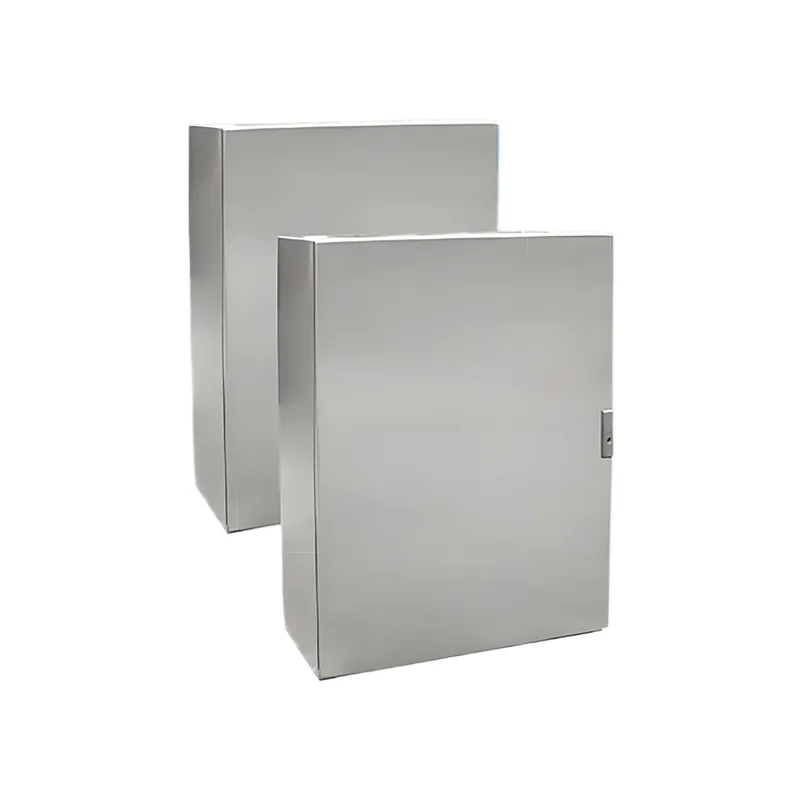
Carbon steel is one of the most widely used materials in manufacturing due to its exceptional strength and affordability. It is an alloy composed primarily of iron and carbon. However, because it contains little to no chromium, raw carbon steel is highly susceptible to rust and oxidation when exposed to moisture and oxygen.
To combat this, manufacturers rely on protective finishes. High-quality carbon steel powder-coated electrical boxes undergo rigorous surface treatments, including phosphatizing and the application of a durable polyester or epoxy powder coat.
The Advantages of Carbon Steel
- Cost-Effectiveness: Carbon steel is significantly cheaper to procure and machine than stainless steel. It provides cost-effective carbon steel solutions for large-scale projects where budgets are tight.
- High Tensile Strength: It offers excellent impact resistance, protecting internal components from heavy physical blows or vandalism.
- Aesthetic Versatility: Powder coating allows for a wide variety of colors, enabling enclosures to match corporate branding or safety color codes (e.g., ANSI Gray or Safety Red).
The Disadvantages in Harsh Environments
The Achilles’ heel of carbon steel is its reliance on the surface coating. If the powder coating is scratched, chipped, or degraded by UV rays over time, the underlying raw steel is immediately exposed to the elements. In a harsh, wet, or salty environment, rust will form rapidly. Once corrosion starts, it can spread underneath the remaining paint, causing it to flake off and eventually compromising the structural integrity of the enclosure.
Stainless Steel Electrical Enclosures: The Ultimate Shield
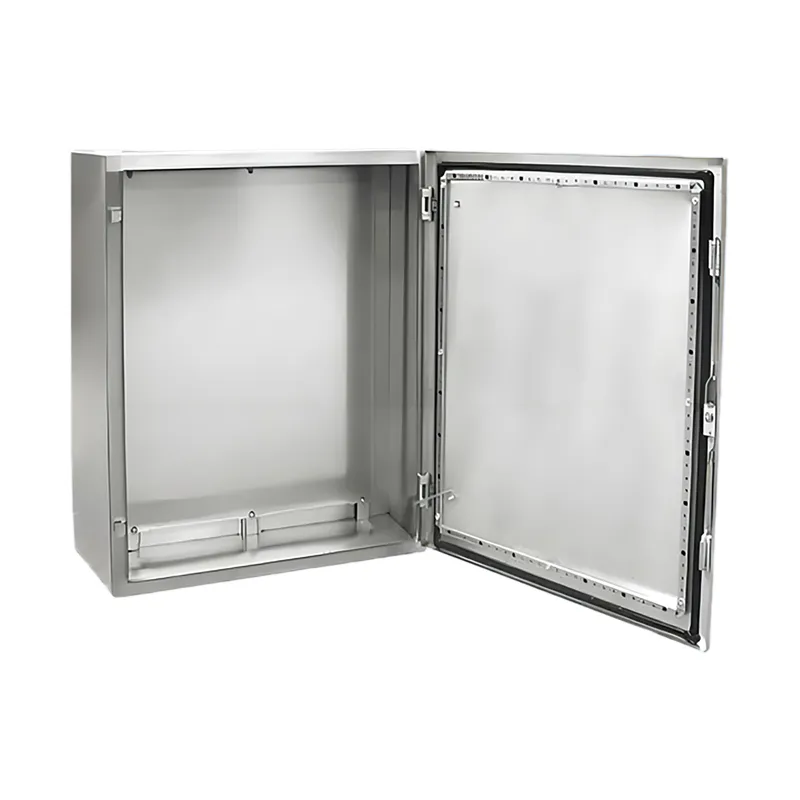
Unlike carbon steel, stainless steel contains a minimum of 10.5% chromium. This chromium reacts with oxygen to form a microscopic, invisible, and self-healing layer of chromium oxide on the surface of the metal. This passive layer is what gives stainless steel its legendary resistance to rust.
There are two primary grades of stainless steel used in enclosure manufacturing:
- Type 304: The industry standard. It provides excellent resistance to water and most general chemicals.
- Type 316/316L: Contains an addition of molybdenum, which drastically increases its resistance to chlorides (like salt) and harsh industrial acids.
The Advantages of Stainless Steel
- Inherent Corrosion Resistance: Because the protection is built into the molecular structure of the metal rather than applied as a surface coat, scratches do not lead to rust. This ensures maximum corrosion resistance in harsh industrial environments.
- Longevity and Low Maintenance: Stainless steel enclosures often outlast the equipment they protect. They do not require repainting or touch-ups, reducing the total cost of ownership over a 10 to 20-year span.
- Hygienic Properties: The smooth surface is easy to clean and withstands high-pressure, high-temperature chemical washdowns, making NEMA 4X stainless steel enclosures mandatory for the food, beverage, and pharmaceutical industries.
The Disadvantages
The primary drawback of stainless steel is the initial upfront cost, which can be double or triple that of carbon steel. Additionally, it is a harder material, which makes punching, drilling, and modifying slightly more difficult and time-consuming.
Making the Right Choice: A Comparative Summary
When evaluating materials for your industrial control panel housing, consider the following decision-making matrix:
- Choose Carbon Steel If: Your environment is relatively dry, indoors, or outdoors in a mild climate without exposure to salt or harsh chemicals. It is ideal if you have strict budget constraints and the enclosure is unlikely to suffer physical scratching.
- Choose 304 Stainless Steel If: The enclosure will be placed outdoors in wet conditions, in a water treatment facility, or requires frequent washdowns with non-chloride-based agents.
- Choose 316L Stainless Steel If: You are installing in marine environments, offshore platforms, or chemical plants. For these extremes, investing in marine-grade 316L stainless steel cabinets is not an option; it is a necessity to prevent rapid degradation.
As seasoned industry experts at Xinyuanda often advise, the cheapest enclosure upfront can become the most expensive one if it fails prematurely. Factoring in replacement costs, labor, and potential equipment damage is crucial when calculating the true ROI of your material choice.
Conclusion
Ultimately, the debate between stainless steel and carbon steel is not about which material is universally “better,” but rather which is the correct engineering fit for your specific environmental hazards. For standard applications, painted carbon steel provides exceptional value and strength. However, when the environment turns hostile—bringing salt, corrosive chemicals, and constant moisture—stainless steel stands unrivaled.
Whether you need heavily protected standard boxes or custom weatherproof electrical enclosures designed for unique architectural spaces, aligning your material choice with environmental realities is the key to long-term success. Partnering with an experienced manufacturer like Xinyuanda ensures that your enclosures are not only built to precise specifications but are also engineered using the optimal materials to guarantee decades of reliable protection.
Frequently Asked Questions (FAQs)
Q1: Can carbon steel rust even with a high-quality powder coating?
Yes. While high-quality powder coating provides excellent protection, it is only a surface barrier. If the coating is compromised by a deep scratch, tool impact, or prolonged exposure to severe UV degradation, moisture can reach the raw iron underneath. Once exposed in a harsh environment, oxidation (rust) will begin and can slowly spread beneath the surrounding paint layer.
Q2: What is the main difference between 304 and 316 stainless steel for enclosures?
The primary difference lies in the chemical composition. Type 316 stainless steel contains about 2% to 3% molybdenum, an element that is completely absent in Type 304. This molybdenum addition drastically improves Type 316’s resistance to pitting and crevice corrosion, particularly in chloride-rich environments like coastal marine areas or roads heavily treated with de-icing salts.
Q3: How do NEMA ratings affect my choice of material?
NEMA (National Electrical Manufacturers Association) ratings dictate the degree of protection an enclosure provides against specific environmental conditions. For instance, a NEMA 12 rating (indoor dust/drip) can easily be achieved with carbon steel. However, if your environment demands a NEMA 4X rating (outdoor, watertight, and specifically corrosion-resistant), stainless steel, fiberglass, or polycarbonate are typically required to pass the stringent corrosion tests that standard painted carbon steel cannot withstand over time.