

Key Factors to Consider When Choosing an Industrial Computer Cabinet
Release time: 2026-05-26
Table of Contents
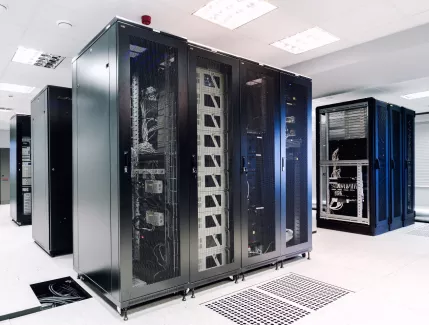
In today’s fast-paced industrial environments, safeguarding critical electronics is not just a preference; it’s an absolute necessity. Whether you are managing an intricate automation control system or housing delicate IT infrastructure on a factory floor, the right protective housing makes all the difference. Choosing the appropriate industrial computer cabinet ensures that your sensitive equipment operates reliably, even in the harshest conditions.
But with a vast array of options available, from standard off-the-shelf models to specialized custom solutions, how do you make the right choice? This article will guide you through the key factors to consider when selecting an industrial enclosure to protect your valuable assets.
1. Environmental Hazards and Protection Ratings
The primary function of any industrial enclosure is protection. Before exploring features, you must first assess the specific environment where the cabinet will be installed. Industrial settings vary wildly, and your cabinet must be built to withstand its specific surroundings.
Dust, Dirt, and Debris
In many manufacturing facilities, airborne particulate matter is a constant threat. Dust and dirt can easily infiltrate sensitive electronics, leading to overheating, short circuits, and system failures. If your environment is prone to heavy dust, you need an industrial enclosure cabinet with a robust sealing system. Look for cabinets that offer high IP (Ingress Protection) or NEMA (National Electrical Manufacturers Association) ratings that specifically address dust ingress.
Moisture, Water, and Corrosive Elements
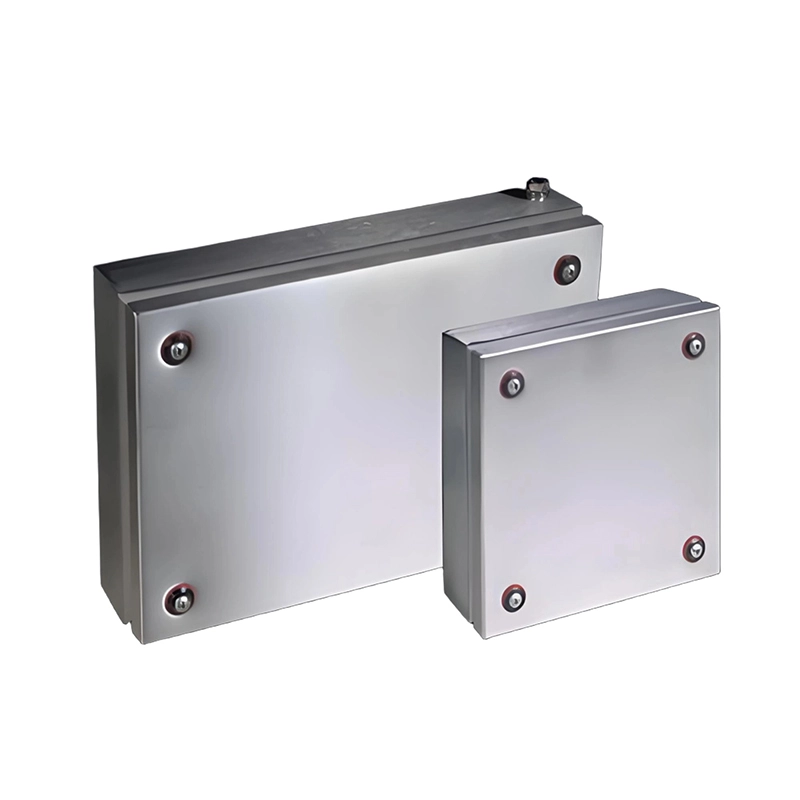
Will the cabinet be exposed to washdowns, high humidity, or direct liquid splashing? For applications in food processing or chemical plants, water resistance is paramount. Furthermore, if corrosive substances are present, standard steel might degrade quickly. In such cases, stainless steel or specialized non-metallic materials are required.
Temperature Extremes
Industrial environments rarely offer the climate-controlled comfort of a server room. Extreme heat or cold can severely impact the performance and lifespan of computer hardware and PLCs (Programmable Logic Controllers).
Key Considerations for Environmental Protection:
- IP Rating: The standard for measuring the effectiveness of electrical enclosures in blocking foreign bodies (dust, dirt) and moisture.
- NEMA Rating: Similar to IP ratings but primarily used in North America, specifying the environment for which the enclosure is suited.
- Material Selection: Choose between carbon steel, stainless steel, aluminum, or polycarbonate based on corrosion resistance needs.
2. Size, Capacity, and Future Expansion
Selecting the correct size is a critical balancing act. You need an electrical control cabinet that comfortably houses your current equipment while leaving sufficient room for future additions.
Assessing Current Needs
Begin by creating a detailed inventory of all the components that will go into the cabinet. This includes computers, monitors, keyboards, power supplies, network switches, and any automation hardware. Consider not only the physical dimensions of the equipment but also the space required for proper cable management.
Planning for the Future
Technology and production lines are rarely static. It’s highly advisable to choose a cabinet that offers some extra capacity. If you anticipate adding more servers, a larger display, or expanding your automation systems down the line, factoring this into your initial purchase prevents the need for a costly replacement later.
Mounting Options
How will the internal components be organized? Consider the mounting systems available:
- 19-Inch Rack Mounts: Essential for standard IT equipment.
- Backpanels: Commonly used for mounting PLCs, terminal blocks, and other automation controls. Ensure the back panel is sturdy enough to support the weight.
3. Thermal Management Systems
Electronic equipment generates heat. When housed inside a sealed cabinet, this heat can build up rapidly, creating a localized oven that can quickly degrade or destroy the very components you are trying to protect. Effective thermal management is arguably the most crucial factor after basic environmental protection.
The cooling method you choose depends on the heat load of your equipment and the ambient temperature of the environment.
| Cooling Method | Best For | Description |
|---|---|---|
| Passive Cooling | Low heat loads, cool environments | Relies on natural convection; heat dissipates through the cabinet walls. |
| Filter Fans | Moderate heat loads, relatively clean environments | Draws cool outside air in and exhausts hot air. Requires regular filter maintenance. |
| Air Conditioners | High heat loads, hot environments | Actively cools the air inside the cabinet, maintaining a specific temperature regardless of outside conditions. Essential for enclosed automation control enclosure setups in hot plants. |
| Heat Exchangers | Closed-loop systems | Transfers heat from the inside to the outside without mixing internal and external air, ideal for dusty or washdown environments. |
When selecting thermal management, consult with a reputable PLC control cabinet manufacturer or an OEM control cabinet supplier to ensure your cooling solution matches your specific thermal load calculations.
4. Accessibility and Ergonomics
An industrial cabinet is not a vault that is locked and forgotten. Technicians, operators, and maintenance personnel will need to access the interior regularly. Therefore, accessibility and ease of use are vital considerations.
Door Configurations
Consider the space available around the cabinet installation site. Do you have room for a large single door to swing open, or are double doors more practical? Look for features like the following:
- Lift-off hinges: Allow for easy removal of the door during major installations or maintenance.
- Viewing windows: Permit quick visual inspection of screens or indicator lights without opening the cabinet, minimizing exposure to the environment.
Operator Interfaces
If the cabinet houses a computer that requires frequent user interaction, ergonomics play a significant role.
- Keyboard Trays: A sturdy, pull-out or fold-down keyboard tray is essential for comfortable data entry.
- Monitor Mounting: Ensure the monitor is positioned at an appropriate height and angle to reduce operator strain.
5. Customization Options vs. Standard Models
While many standard cabinets offer excellent protection and features, they might not perfectly align with highly specialized or unique requirements. In such instances, a custom industrial computer cabinet is often the most effective solution.
When to Consider Customization
- Unique Dimensions: When standard sizes won’t fit into available spaces or cannot accommodate specific, oversized equipment.
- Specialized Cutouts: If your application requires precise cutouts for proprietary HMIs (Human-Machine Interfaces), pushbuttons, or specialized connectors.
- Specific Branding: Many companies prefer enclosures that match their corporate colors or feature custom logos.
Companies like Xinyuanda specialize in providing tailored solutions. Xinyuanda ensures that your specific operational needs are met precisely, providing an enclosure that integrates seamlessly into your workflow rather than forcing you to adapt to a standard box.
Conclusion
Choosing the right industrial cabinet requires a careful assessment of your environment, your equipment, and your operational needs. By prioritizing environmental protection, adequate sizing, effective thermal management, and user accessibility, you can ensure the longevity and reliability of your critical systems. Whether you opt for a robust standard model or work with a specialist like Xinyuanda for a customized solution, investing time in the selection process pays dividends in protecting your valuable assets and maintaining uninterrupted operations.
Frequently Asked Questions (FAQ)
1. How do I determine the right NEMA or IP rating for my industrial computer cabinet?
To determine the correct rating, you must evaluate the specific environment where the cabinet will be placed. Identify the primary hazards: Is it dusty? Will it be splashed with water or subjected to washdowns? Are there corrosive chemicals present? For example, a dusty but dry environment might require an IP54 or NEMA 12 cabinet, while an area subject to high-pressure washdowns would necessitate an IP66 or NEMA 4X rating. Consulting with an enclosure expert can help translate your environmental risks into the appropriate rating.
2. What is the difference between an air conditioner and a heat exchanger for cooling a cabinet?
Both are used to manage heat in closed-loop systems, but they function differently. An air conditioner actively cools the internal air below the ambient temperature outside the cabinet using a refrigerant cycle, making it suitable for very hot environments. A heat exchanger, on the other hand, transfers internal heat to the cooler outside air without mixing the two airflows. Heat exchangers are generally more energy-efficient but can only cool the cabinet down to slightly above the ambient temperature of the surrounding environment.
3. Why should I consider a custom industrial computer cabinet over a standard, off-the-shelf model?
Standard cabinets are excellent for many applications, but a custom solution is often necessary when standard options fall short. If you have equipment with unique dimensions, require specific pre-cut holes for specialized interfaces, or need a cabinet designed to fit into an awkwardly shaped space on your factory floor, customization is the answer. A custom enclosure ensures that you are not compromising on protection, accessibility, or spatial efficiency, providing a housing that is perfectly tailored to your exact operational requirements.