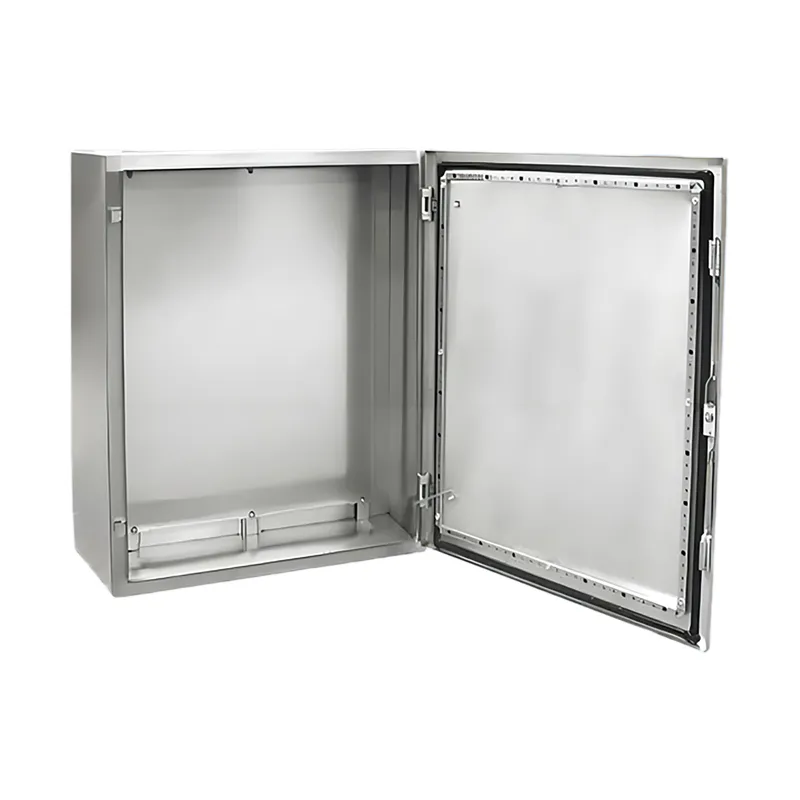


316 vs 304 Stainless Steel Junction Box: Which is Best for Marine Environments?
Release time: 2026-06-24
Table of Contents
Marine and offshore environments present some of the most punishing conditions on Earth for electrical installations. Constant exposure to saltwater spray, high humidity, volatile temperatures, and corrosive salt air can lead to rapid equipment degradation, electrical short circuits, and catastrophic system failures. To protect delicate electrical connections, selecting the correct stainless steel junction box is the first line of defense for sensitive marine electronics.
When choosing an enclosure material, engineers typically weigh two major stainless steel grades: Grade 304 and Grade 316. While they may look identical to the naked eye, their chemical structures differ significantly, dictating how they perform under saline stress. This comprehensive guide compares 316 and 304 stainless steel enclosures to help you determine the optimal solution for marine applications.
Understanding the Material Chemistry: 304 vs. 316 Stainless Steel
To understand why one steel grade outperforms another in coastal zones, we must look at their metallurgical composition. Both are austenitic stainless steels containing high levels of chromium and nickel, which provide inherent corrosion resistance. However, the critical differentiator is the addition of molybdenum.
Grade 304: The Versatile Standard
Grade 304 (often referred to as 18/8 stainless steel) contains approximately 18% chromium and 8% nickel. It offers excellent tensile strength, durability, and standard corrosion resistance. While a 304 stainless steel junction box offers superb protection against washdown and generic industrial environments, it lacks the chemical defense needed to withstand continuous chloride exposure.
Grade 316: The Marine-Grade Champ
Grade 316 contains roughly 16% chromium, 10% nickel, and a crucial 2% to 3% of molybdenum. The addition of molybdenum significantly increases the material’s resistance to localized chemical attacks, specifically pitting and crevice corrosion caused by saltwater, chlorides, and industrial solvents. This distinct chemistry makes Grade 316 the absolute gold standard for marine-grade electrical enclosure solutions.
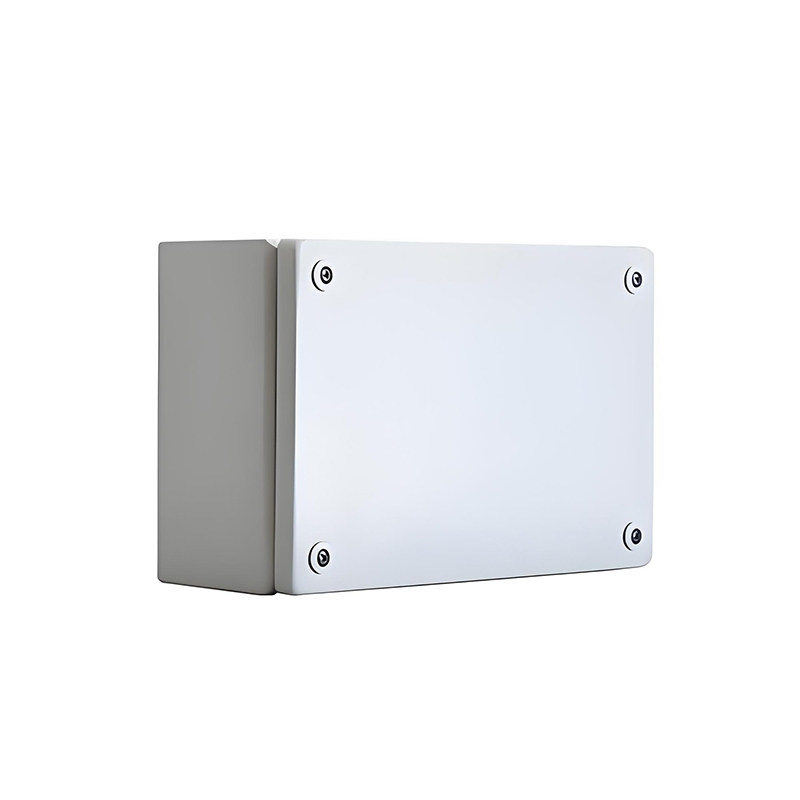
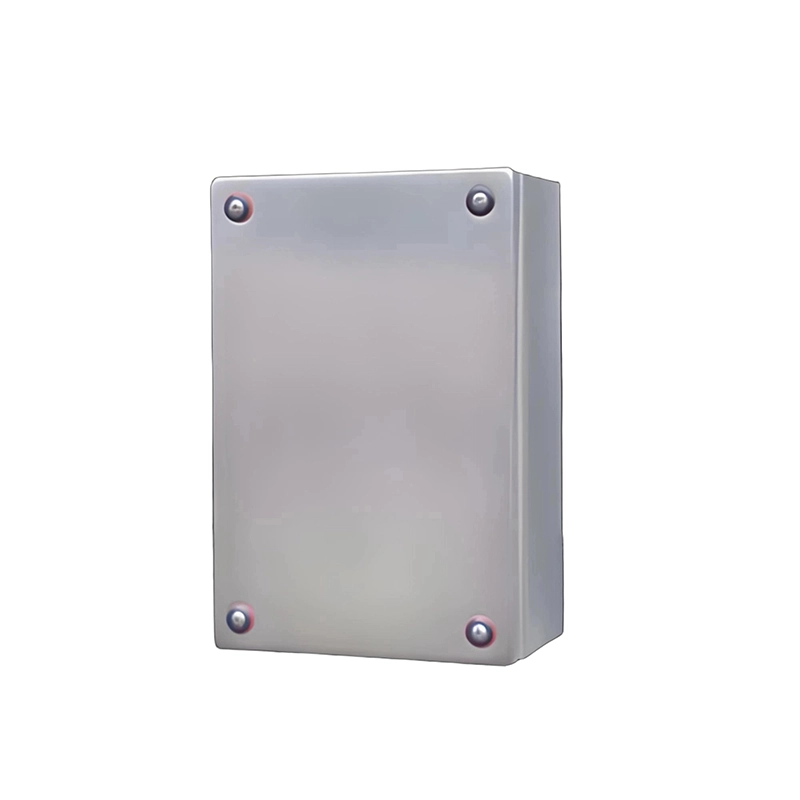
Key Differences in Marine Environments
Choosing between these two alloys requires a deeper look at how they interact with salt and moisture. Here is a breakdown of their performance across key metrics:
1. Resistance to Pitting Corrosion
Chloride ions present in sea salt are notorious for penetrating the protective passive chromium oxide layer of stainless steel. Once this barrier is breached, localized “pitting”—tiny, deep holes that can compromise the structural integrity of the metal—occurs. Because Grade 316 possesses molybdenum, it resists this electrochemical degradation far better than Grade 304. For outdoor marine applications, a standard 304 stainless steel junction box will eventually develop unsightly tea-staining (surface rust) and structural pitting when exposed to salty sea breezes.
2. Lifespan and Total Cost of Ownership (TCO)
While Grade 304 has a lower initial procurement cost, its lifespan in saline environments is substantially shorter. Frequent replacements, maintenance downtime, and the risk of internal component failure quickly offset any upfront savings. Conversely, Grade 316 provides a much lower total cost of ownership by offering decades of maintenance-free service under severe coastal conditions.
Technical Comparison Matrix
To simplify your selection process, the table below highlights the performance, chemical, and application differences between 304 and 316 stainless steel enclosures.
| Evaluation Metric | Grade 304 Enclosures | Grade 316 Enclosures |
|---|---|---|
| Molybdenum Content | 0% | 2.0% – 3.0% |
| Pitting Resistance (PREN) | ~18 (Moderate) | ~23 to 25 (High) |
| Saltwater Spray Resistance | Fair (Prone to surface staining) | Excellent (Highly resistant) |
| Best-suited Environment | Indoor industrial, food processing, land-based | Offshore platforms, marine vessels, coastal ports |
| Typical Cost Index | Base ($) | Approximately 20%–30% Higher ($$) |
| In-Service Longevity | Limited in marine splash zones | Extremely high in direct marine contact |
Practical Application Scenarios
Your choice of enclosure often depends on where exactly the unit will be installed.
When to Choose Grade 316
Grade 316 is non-negotiable for assets placed directly on open decks, offshore rigs, and coastal infrastructure. In these zones, you need heavy-duty waterproof junction boxes for ships and seaside plants that can endure relentless wave impacts and salty fog. Furthermore, for critical automated control systems mounted on open structures, utilizing a NEMA 4X-rated wall-mount control enclosure engineered from 316 stainless steel prevents catastrophic moisture ingress and chemical breakdown.
When to Choose Grade 304
Grade 304 is highly suitable for environments shielded from direct marine contact. For indoor ship cabins where direct saltwater contact is minimal, utilizing a 304 stainless steel junction box can be a cost-effective alternative. It is also highly popular for dustproof metal terminal boxes for coastal areas when installed inside climate-controlled buildings or secondary protective shelters where direct sea spray cannot reach.
Design and Mounting Considerations for Marine Enclosures
Material selection is only half the battle. To ensure absolute survival at sea, the mechanical design of the enclosure must also be flawless.
In space-constrained marine vessels, choosing a robust wall-mount control enclosure helps save valuable footprint while offering secure structural mounting against heavy vibrational forces. For harsh ocean deployments, these enclosures must feature continuous-weld seams, IP66/IP67 ingress ratings, and robust latching mechanisms.
Additionally, look for designs featuring sloped roofs to shed standing saltwater quickly and high-performance silicone or polyurethane gaskets. Every wall-mount control enclosure manufactured for marine application must feature high-quality silicone gaskets, as standard rubber will degrade rapidly under intense UV exposure and saltwater cycles.
Choosing a Trusted Marine Enclosure Manufacturer
Sourcing high-performance enclosures requires collaborating with a manufacturer that understands strict international maritime standards. Xinyuanda is a premier manufacturer specializing in high-grade corrosion resistant outdoor terminal boxes and specialized marine enclosures.
By utilizing state-of-the-art laser cutting, automated welding, and rigorous salt spray testing, Xinyuanda delivers durable enclosure solutions that safeguard vital electrical networks worldwide. Whether your project demands customized offshore platform electrical distribution enclosures or standard NEMA-rated junction boxes, choosing precision-engineered products ensures peace of mind and continuous operational uptime.
Conclusion
When selecting between 316 and 304 stainless steel, the environment dictates the decision. For inland, dry, or indoor applications, Grade 304 provides robust and economical protection. However, when confronting coastal winds, salt spray, and extreme maritime challenges, Grade 316 is the clear winner. Ultimately, a high-grade stainless steel junction box serves as a vital safeguard against electrical failure, making Grade 316 the safest, most reliable investment for marine applications.
Frequently Asked Questions (FAQs)
Q1: Can I use a 304 stainless steel enclosure outdoors near the coast?
While you can physically use Grade 304 outdoors near the coast, it is highly discouraged if the unit is within 5 miles of the ocean. The saline air will cause aesthetic rust staining (tea-staining) within months and can lead to structural pitting over time. For coastal areas, it is highly recommended to use saltwater resistant electrical boxes fabricated from Grade 316 stainless steel to ensure long-term durability.
Q2: What is “tea-staining” on stainless steel, and is it dangerous?
Tea-staining is a brown, cosmetic surface discoloration that looks like rust. On Grade 304 stainless steel, it is usually caused by salt deposits reacting with the metal’s surface in highly humid environments. While tea-staining itself is initially cosmetic, if left uncleaned in a marine atmosphere, it can progress into deep pitting corrosion, which will eventually breach the enclosure’s protective seal.
Q3: How do I verify if my junction box is made of 316 rather than 304?
Because 304 and 316 stainless steel look identical, you cannot distinguish them by sight. To verify the grade, look for material certification documents provided by trusted industrial stainless steel enclosure manufacturers. If certifications are unavailable, you can use a chemical spot-test kit (which reacts to the presence of molybdenum in Grade 316) or utilize a handheld X-ray Fluorescence (XRF) analyzer for non-destructive alloy verification.