

Exploring the Different Types of Electrical Enclosures
Release time: 2026-07-06
Direct answer: Selecting the proper industrial equipment housing ensures operational continuity by extending sensitive component lifespans by up to 40% (by preventing dust and moisture ingress), reducing unscheduled maintenance downtime by over 30%, and mitigating environmental failure risks by nearly 50% in harsh conditions – all through tailored material selection, precise mounting strategies, and strict adherence to NEMA/IP protection standards.
Table of Contents
In today’s highly automated and electrified world, the backbone of any industrial, commercial, or municipal infrastructure relies heavily on delicate circuitry, wiring, and control systems. However, these sensitive components rarely operate in pristine environments. From the dust-filled air of a manufacturing facility to the torrential rains lashing against a telecommunications pole, external elements pose a constant threat to power systems.
As a leading innovator in this space, Xinyuanda understands that selecting the proper housing for your components can mean the difference between seamless, uninterrupted operation and costly, hazardous downtime. This comprehensive guide will explore the various classifications, materials, and mounting styles of protection cabinets, helping you navigate the complex landscape of industrial and commercial equipment housing.
Categorizing Control Boxes by Mounting Style
The physical location and spatial constraints of your equipment dictate the mounting style of your protective housing. Engineers and facility managers must evaluate the available footprint, accessibility requirements, and the weight of the internal components.
1. Wall-Mount and Flush-Mount Solutions
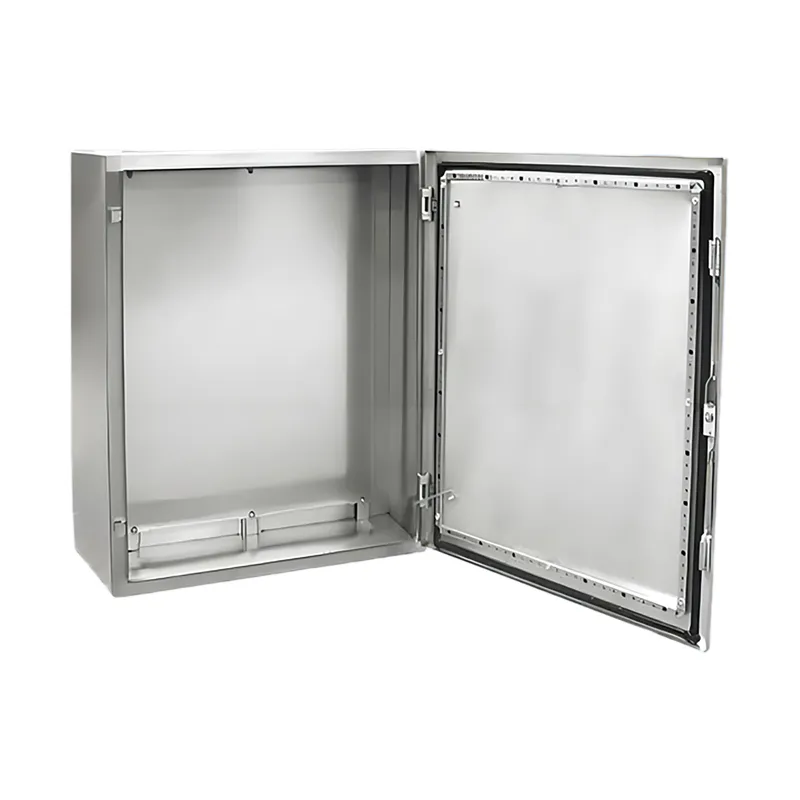
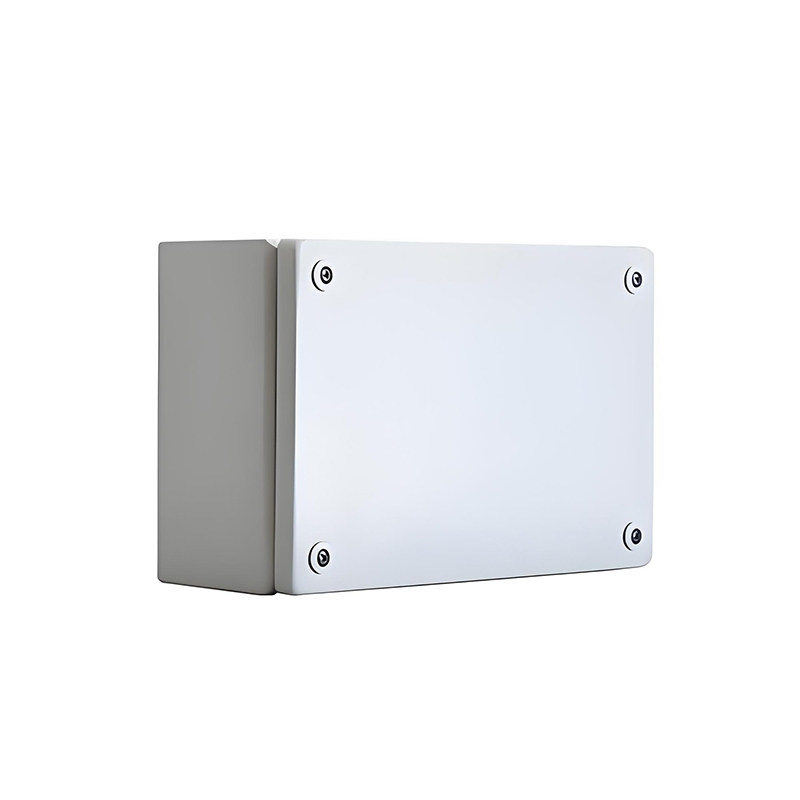
For operations where floor space is at a premium, mounting equipment on the wall is the most practical solution. These units are typically used to house smaller control panels, distribution boards, or localized automation nodes. By utilizing wall-mounted electrical distribution cabinets, facilities can keep critical components at eye level for easy maintenance while ensuring the factory floor remains unobstructed.
Flush-mount variations take this a step further by recessing the box directly into the wall cavity. This provides a sleek, low-profile aesthetic that is heavily favored in commercial office buildings, hospitals, and high-end retail spaces where protruding metal boxes would disrupt the architectural design.
2. Floor-Mount and Freestanding Units
When housing heavy transformers, complex motor control centers, or massive arrays of server equipment, wall-mounting is no longer physically viable. In these scenarios, freestanding electrical control cabinets are deployed. These large-scale units are bolted directly to the floor and often feature double doors, dual-access points (front and rear), and compartmentalized interiors. They are the workhorses of heavy industry, found predominantly in automotive manufacturing plants, power substations, and large-scale data centers.
3. Pole-Mount and Pendant Housings
Utility and telecommunication networks frequently require equipment to be elevated. Pole-mounted housings are securely strapped to utility poles to manage street lighting, traffic signals, and cellular network arrays. Because they are completely exposed to the elements, these units must function as robust, weatherproof outdoor power enclosures to prevent moisture ingress and withstand extreme wind loads.
Alternatively, pendant systems are suspended from ceilings or structural beams via articulated arms. These are highly ergonomic solutions used in modern manufacturing lines, allowing operators to easily swing the HMI (Human-Machine Interface) screens or control boxes into their immediate line of sight without tethering them to a static wall.
Material Selection: The Foundation of Durability
The material composition of a control panel housing directly dictates its lifespan and suitability for specific environments. Selecting the wrong material can lead to rapid corrosion, structural failure, and compromised internal electronics.
Below is a detailed comparison of the most common materials used in modern manufacturing:
| Material Type | Key Characteristics | Best Application Scenarios | Typical NEMA / IP Ratings |
|---|---|---|---|
| Mild / Carbon Steel | Highly cost-effective, strong, rigid. Requires powder coating to prevent rust. | General indoor manufacturing, dry warehouses, basic commercial facilities. | NEMA 1, 12 / IP54 |
| 304/316 Stainless Steel | Exceptional corrosion resistance, highly hygienic, tolerates harsh chemical cleaners. | Food and beverage washdown areas, marine environments, pharmaceutical plants. | NEMA 4X / IP66, IP67 |
| Fiberglass (FRP) | Non-conductive, rust-proof, chemically resistant, transparent to radio frequencies (RF). | Wastewater treatment facilities, chemical processing plants, outdoor telecom nodes. | NEMA 4X / IP65, IP66 |
| Polycarbonate / Plastic | Extremely lightweight, UV-resistant, easy to machine and modify on-site. | Outdoor solar installations, lightweight indoor controls, remote sensor housings. | NEMA 4X / IP65 |
When operations require maximum resilience against corrosive agents, opting for heavy-duty stainless steel control boxes is generally the safest investment, particularly in sectors regulated by strict hygiene standards like dairy or meat processing.
Navigating NEMA and IP Ratings for Optimal Protection
You cannot effectively choose equipment housing without understanding standardized protection ratings. These acronyms serve as a globally recognized shorthand for how well a box keeps out solids (like dust and dirt) and liquids (like rain and high-pressure water jets).
In North America, the National Electrical Manufacturers Association (NEMA) dictates these standards. Utilizing NEMA-rated industrial protection boxes ensures compliance with strict safety regulations. For instance, a NEMA 1 rating offers basic indoor defense against falling dirt, while a NEMA 4X rating guarantees watertight integrity and superior corrosion resistance.
Internationally, the Ingress Protection (IP) rating system is standard. The first digit represents solid ingress protection (0-6), and the second digit represents moisture protection (0-8). An IP65 rating, therefore, indicates that the unit is entirely dust-tight and protected against low-pressure water jets from any direction.
Industry-Specific Applications and Tailored Solutions
No two industries operate under the exact same conditions, which is why commercial off-the-shelf products sometimes fall short.
In commercial real estate and urban development, aesthetics and space utilization are paramount. Building managers rely on sleek commercial electrical panel housings to manage HVAC controls, tenant metering, and fire alarm systems without becoming an eyesore in public corridors.
Conversely, the industrial automation sector demands rugged flexibility. Factory floors require custom industrial electrical cabinets featuring pre-cut apertures for specific ventilation fans, custom cooling units, and precise cable routing pathways to accommodate complex robotic assembly lines.
Providers like Xinyuanda excel in this arena, offering highly engineered, tailored solutions that adapt to specific operational workflows rather than forcing the workflow to adapt to a standard metal box.
Furthermore, in highly volatile environments such as oil refineries, grain silos, or underground mines, airborne combustible dust or flammable gases pose an ever-present explosion risk. In these specialized scenarios, standard weatherproof ratings are insufficient. Facilities must deploy heavy-walled, precisely engineered explosion-proof instrument housings designed to contain an internal spark or explosion, preventing it from igniting the volatile atmosphere outside the box.
Conclusion
Safeguarding sensitive power and automation components is a multi-faceted challenge that requires a deep understanding of environmental hazards, mounting logistics, and material science. From sleek flush-mounted interior panels to heavily fortified, corrosion-resistant outdoor units, the market offers a diverse array of solutions tailored to every conceivable application.
Ultimately, selecting the correct electrical enclosures will prolong the lifespan of your critical infrastructure, prevent disastrous safety hazards, and minimize long-term maintenance costs. Partnering with an experienced manufacturer like Xinyuanda ensures that your facility is equipped with durable, perfectly rated protection systems that keep your operations running powerfully and safely, regardless of external conditions.
Frequently Asked Questions (FAQs)
1. What is the main difference between NEMA 4 and NEMA 4X ratings?
While both NEMA 4 and NEMA 4X provide excellent protection against windblown dust, rain, and hose-directed water (making them both suitable for outdoor use), the “X” in NEMA 4X stands for advanced corrosion resistance. NEMA 4X boxes are typically made from stainless steel, fiberglass, or polycarbonate, whereas standard NEMA 4 boxes are often made from powder-coated carbon steel.
2. Can I use an indoor-rated control cabinet outdoors if it is installed under a protective roof or awning?
It is highly discouraged. Even if a roof protects the cabinet from direct rainfall, indoor-rated boxes (like NEMA 1 or NEMA 12) are not designed to withstand high humidity, airborne outdoor particulates, or extreme temperature fluctuations. Changes in outdoor temperature can cause condensation to form inside the cabinet, which can short-circuit delicate electronics. Always use a dedicated outdoor-rated unit for any exterior application.
3. How do I manage heat dissipation inside a fully sealed, watertight equipment box?
Sealing a box to achieve high IP or NEMA ratings often traps heat generated by the internal electronics. To manage this without compromising the ingress protection, engineers utilize closed-loop cooling systems. Options include specialized air-to-air heat exchangers, thermoelectric (Peltier) coolers, or sealed air conditioning units designed specifically to maintain the box’s NEMA 4 or 4X rating while actively cooling the interior.