

What Is a Junction Box Enclosure Used For?
Release time: 2026-07-27
Table of Contents
In the complex world of electrical systems, safety and organization are paramount. Whether you are managing a large-scale industrial facility or wiring a commercial building, protecting electrical connections is not just a matter of best practice—it’s a strict regulatory requirement. This is where the electrical junction box plays a critical role.
But what exactly is a junction box enclosure used for? In this comprehensive guide, we will explore the essential functions, benefits, and applications of these vital components, helping you understand why they are indispensable in modern electrical engineering.
Understanding the Basics: What is a Junction Box?
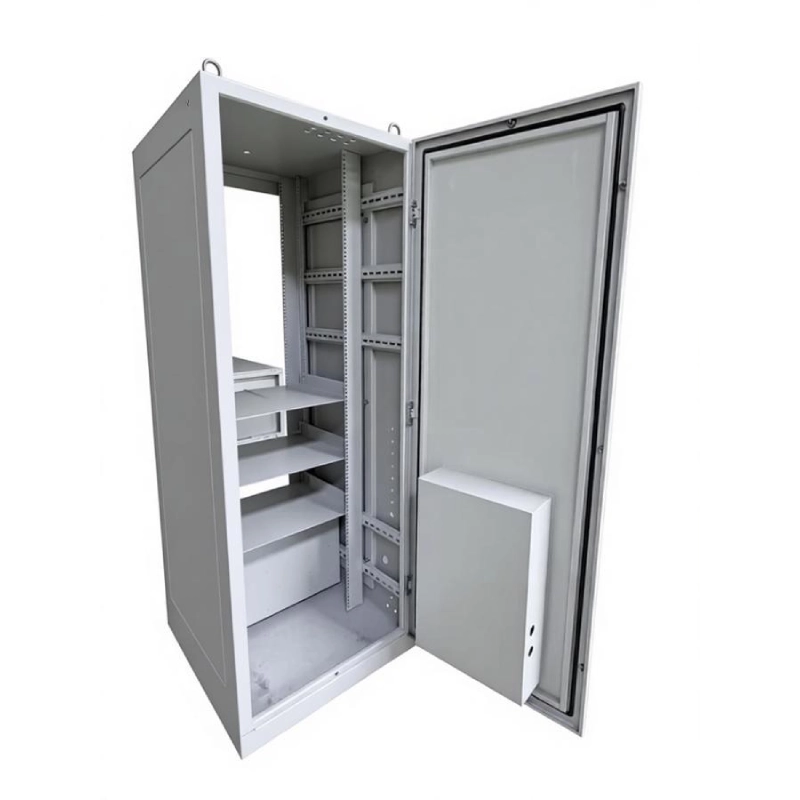
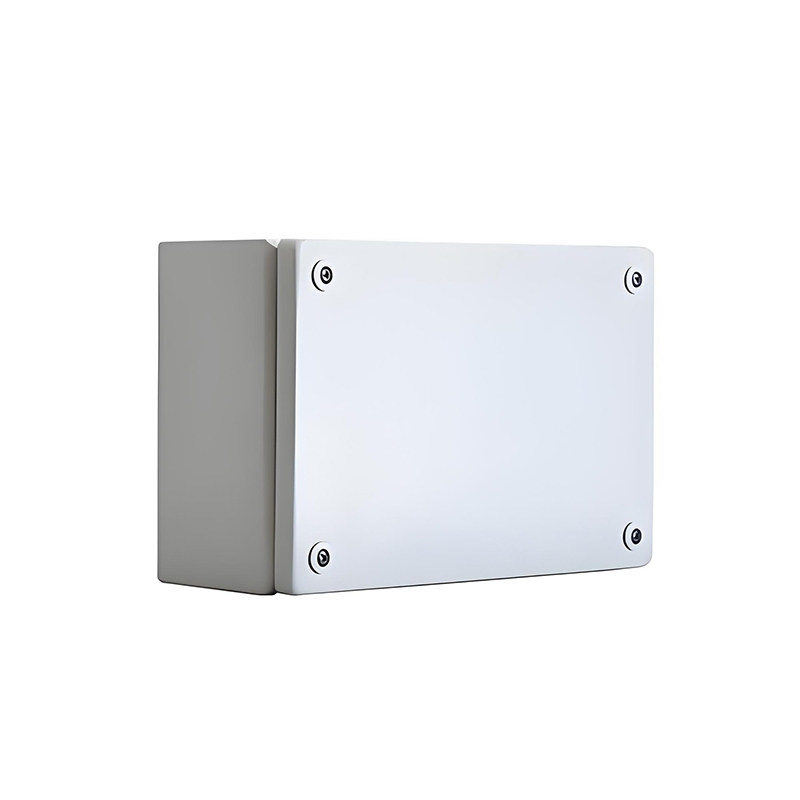
At its core, a junction box is a protective casing designed to house electrical connections. These enclosures shield wire splices and connections from environmental hazards, accidental contact, and tampering. When electrical wires need to be joined, spliced, or branched off in multiple directions, a connection box enclosure provides a safe, contained environment for those critical meeting points.
Without a dedicated enclosure, exposed wires would pose severe risks, including electrical shocks, short circuits, and potential fire hazards. By containing these connections, junction boxes ensure the integrity and longevity of the entire electrical circuit.
Key Functions and Uses of a Junction Box Enclosure
The applications of an electrical junction box extend far beyond simple wire containment. Let’s delve into the primary reasons why these enclosures are used across various industries.
1. Protection Against Environmental Factors
Electrical systems are often exposed to harsh conditions. Junction boxes are specifically engineered to defend sensitive connections against:
- Moisture and Water: Outdoor or industrial environments frequently encounter rain, humidity, or washdowns. Enclosures with high IP (Ingress Protection) or NEMA (National Electrical Manufacturers Association) ratings prevent water ingress, preventing corrosion and short circuits.
- Dust and Debris: In manufacturing plants or construction sites, airborne particles can compromise electrical contacts. A sealed connection box enclosure keeps dust out, ensuring reliable performance.
- Chemical Exposure: Certain industrial settings involve corrosive chemicals. Specialized enclosures made from materials like stainless steel or polycarbonate can withstand these harsh substances.
2. Prevention of Accidental Contact and Tampering
Safety is the primary driver behind electrical codes mandating the use of junction boxes. Enclosing wire connections prevents accidental contact by personnel, significantly reducing the risk of electrocution. Furthermore, robust enclosures deter unauthorized tampering, protecting the system from vandalism or inadvertent disruption.
3. Containing Electrical Fires
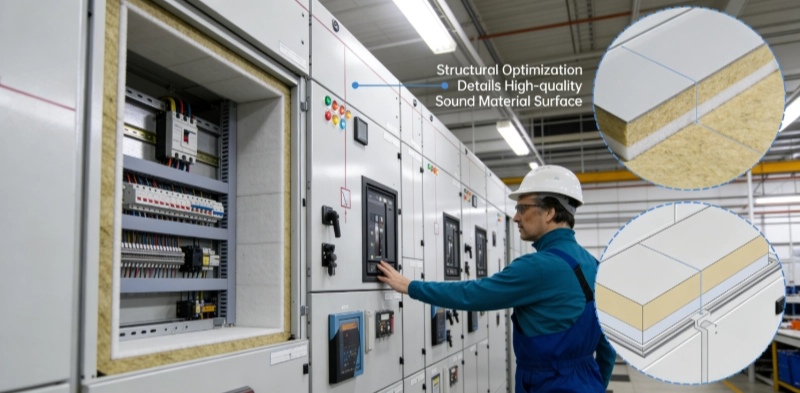
Despite all precautions, electrical faults can occur, potentially leading to sparking or overheating at connection points. A properly specified electrical junction box is designed to contain these localized faults. By isolating the sparks or fire within a fire-resistant enclosure, it prevents the hazard from spreading to surrounding combustible materials.
4. Facilitating Maintenance and Troubleshooting
Electrical systems require regular maintenance and occasional modifications. Junction boxes provide organized, centralized access points. Instead of tracing wires through walls or conduits to find a splice, technicians can easily open an enclosure to inspect, test, or repair connections. This organized approach minimizes downtime and simplifies complex wiring layouts.
Choosing the Right Enclosure Material
The material of the junction box is crucial and must be selected based on the specific application environment. Here is a breakdown of common materials:
| Material | Key Characteristics | Typical Applications |
|---|---|---|
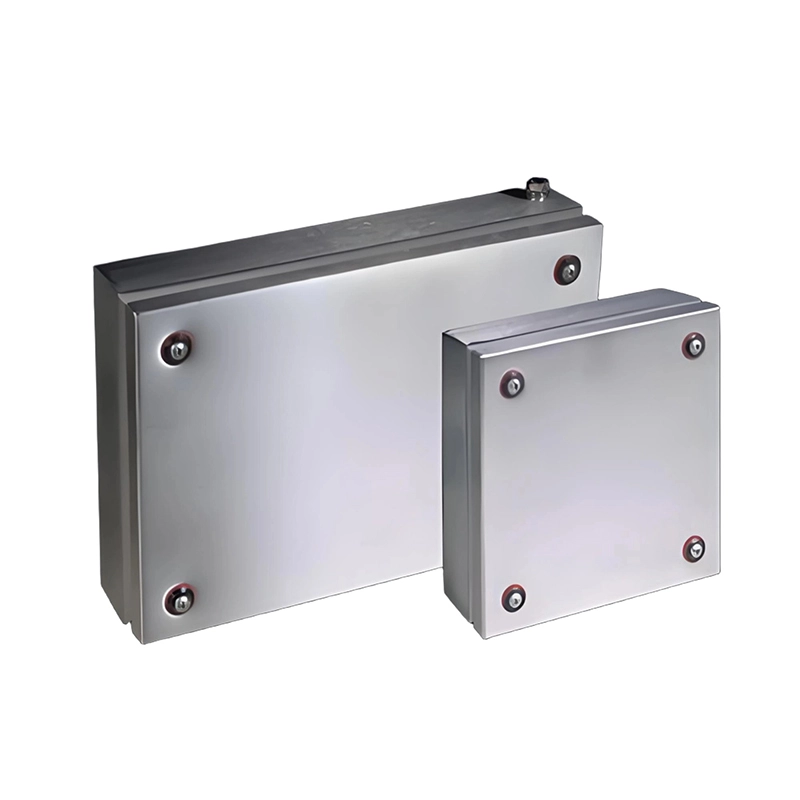
| Stainless Steel | Highly resistant to corrosion and chemicals, durable, aesthetic. | Food processing, marine environments, chemical plants, sterile areas. |
| Carbon Steel (Painted) | Cost-effective, strong, general-purpose protection. | Indoor industrial settings, commercial buildings (dry environments). |
| Polycarbonate | Lightweight, corrosion-resistant, high impact strength, non-conductive. | Outdoor applications, harsh environments where metal is unsuitable. |
| Fiberglass | Excellent chemical and corrosion resistance, durable, non-conductive. | Wastewater treatment, corrosive industrial settings, coastal areas. |
| Aluminum | Lightweight, good corrosion resistance, dissipates heat well. | Aerospace, transportation, specialized industrial equipment. |
When selecting a material, it is often beneficial to consult with a custom junction box enclosure manufacturer to ensure the chosen material meets the exact specifications of your project.
Common Application Scenarios
Junction box enclosures are ubiquitous. Their use spans nearly every sector that relies on electrical power:
- Industrial Automation: Protecting the delicate wiring that controls automated machinery, robotics, and assembly lines.
- Renewable Energy: Housing connections for solar panel arrays (combiner boxes) and wind turbine control systems, often requiring robust outdoor protection.
- Commercial Construction: Organizing power distribution in office buildings, retail spaces, and hospitals.
- Telecommunications: Protecting splice points for fiber optic cables and communication infrastructure.
- Infrastructure and Transportation: Enclosing wiring for traffic signals, railway controls, and tunnel lighting.
The Value of Customization
While standard off-the-shelf enclosures serve many purposes, complex projects often demand tailored solutions. A custom junction box enclosure manufacturer like Xinyuanda can provide significant advantages.
Customization allows for specific dimensions to fit tight spaces, pre-cut holes for precise conduit entry, and specialized mounting hardware. Furthermore, a manufacturer can integrate specific features such as viewing windows, custom color matching, or specific sealing mechanisms to achieve precise NEMA ratings required for niche industrial control panels. Partnering with a specialized provider like Xinyuanda ensures that the enclosure perfectly aligns with the project’s unique electrical routing and environmental challenges.
Conclusion
Understanding what a junction box enclosure is used for highlights its non-negotiable role in electrical safety and system reliability. From shielding sensitive connections against harsh weather to preventing catastrophic fires and simplifying maintenance, these enclosures are fundamental building blocks of modern infrastructure. Whether you are utilizing a standard connection box enclosure for a commercial fit-out or collaborating with a specialized manufacturer for a complex industrial application, prioritizing high-quality enclosures is an investment in long-term safety and operational efficiency.
Frequently Asked Questions (FAQ)
1. How do I determine what NEMA or IP rating I need for my junction box?
The required rating depends entirely on the environment where the box will be installed. If it’s indoors in a clean, dry area, a NEMA 1 rating might suffice. If it’s outdoors and exposed to rain, you’ll need at least NEMA 3R or IP54. For areas subject to heavy washdowns, NEMA 4X or IP66 is necessary. Always evaluate the specific hazards (water, dust, chemicals) present at the installation site.
2. Can I use a plastic junction box for industrial applications?
Yes, but it depends on the type of plastic. Standard PVC boxes used in residential wiring are typically not suitable. However, enclosures made from industrial-grade polycarbonate or fiberglass are highly durable, corrosion-resistant, and frequently used in harsh industrial and outdoor environments where metal might corrode or where a non-conductive material is preferred.
3. When should I consider working with a custom manufacturer instead of buying standard enclosures?
You should consider customization when standard sizes don’t fit your spatial constraints, when you need specific cutouts for unique connectors or HMIs, or when your application requires a unique combination of materials and environmental ratings. A custom manufacturer can save you time and labor costs by delivering a ready-to-install enclosure tailored to your exact specifications.