

The Ultimate Guide to Choosing the Right Stainless Steel Enclosure for Industrial Applications
Release time: 2026-04-22
Table of Contents
In today’s demanding industrial environments, protecting sensitive electrical, electronic, and mechanical components is not just a priority; it is an absolute necessity. A high-quality stainless steel enclosure serves as the ultimate line of defense against harsh elements, chemical exposure, and physical impact. Whether you are operating a food processing plant, an offshore oil rig, or a pharmaceutical facility, investing in robust protection ensures operational continuity, safety, and regulatory compliance. At Xinyuanda, we understand that selecting the right housing infrastructure can make or break your critical operations, preventing costly downtime and equipment failure.
Why Choose a Stainless Steel Enclosure?
When it comes to industrial protection, standard carbon steel, aluminum, or polycarbonate often fall short in extreme conditions. Stainless steel stands out globally as the premium material choice due to its unparalleled strength, longevity, and natural resistance to severe environmental threats.
The Science of Corrosion Resistance
Unlike traditional metals that rust when exposed to oxygen and moisture, stainless steel contains a minimum of 10.5% chromium. This unique composition allows it to form an invisible, self-healing passive layer of chromium oxide on its surface. If the surface is scratched or damaged, this layer instantaneously repairs itself in the presence of oxygen. This makes it ideal for facilities subjected to high moisture, salt spray, or frequent chemical washdowns.
When specifying materials, engineers primarily choose between 304 and 316L grades. While 304 is highly effective for general-purpose indoor and mild outdoor applications, 316L contains added molybdenum. This crucial addition provides superior resistance to pitting and crevice corrosion, making it the definitive choice for marine-grade stainless steel enclosures where constant exposure to chlorides, sea water, and extreme coastal conditions is expected.
Key Features to Look for in High-Quality Enclosures
Beyond the raw material, the engineering, design, and certification of the box determine its true protective capabilities. To ensure maximum reliability, several critical features must be evaluated.
NEMA and IP Environmental Ratings
An enclosure is only as good as its ability to keep contaminants out. Facilities exposed to severe weather, airborne dust, or high-pressure sanitary cleaning require housings with stringent environmental certifications. For extreme environments, NEMA 4X rated stainless steel boxes (equivalent to IP66 or IP69K) are mandatory. These certifications guarantee that the internal electrical components are completely safeguarded against solid foreign objects, total water ingress from powerful jets, and corrosive agents.
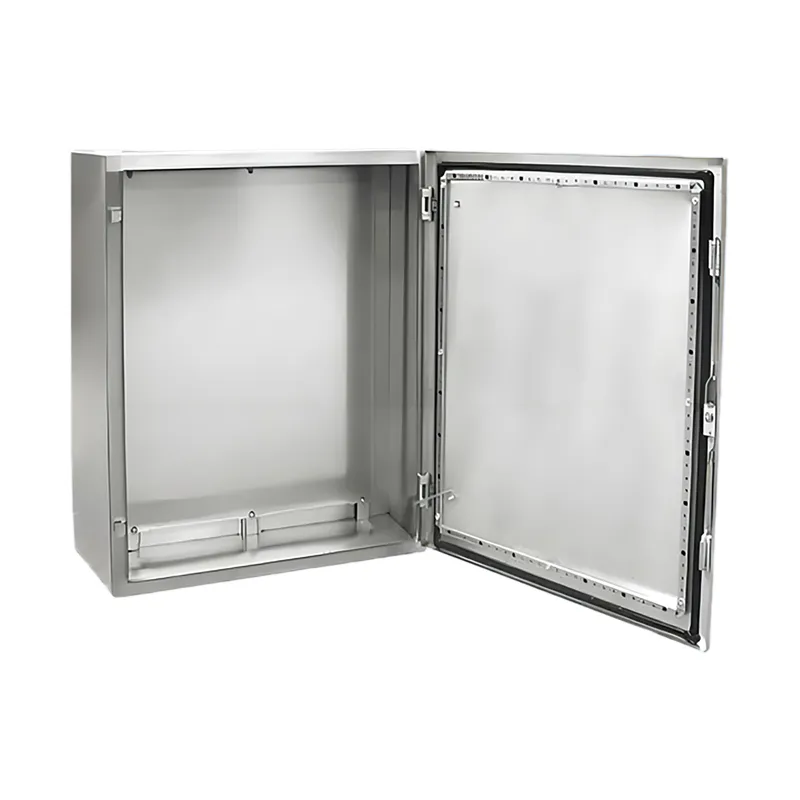
Furthermore, for intricate wiring networks and power distribution needs across a facility, utilizing precision-sealed waterproof stainless steel junction boxes ensures that even the smallest, most vulnerable connection points remain completely secure and dry, preventing catastrophic short circuits and electrical fires.
Advanced Thermal Management
Electronic components generate heat, and a sealed metal box can quickly act as an oven if not properly managed. High-end enclosures must accommodate thermal management systems. This includes the strategic integration of cooling fans, heat exchangers, or internal heaters to prevent condensation during rapid temperature drops. Proper thermal design extends the lifespan of PLCs, drives, and batteries housed inside.
The Importance of Bespoke Customization
Standard, off-the-shelf products often fail to meet the complex layout and spatial requirements of specialized industrial machinery. Modern automation requires flexibility, which is why the ability to source custom stainless steel electrical enclosures has become a critical requirement for project managers and engineers.
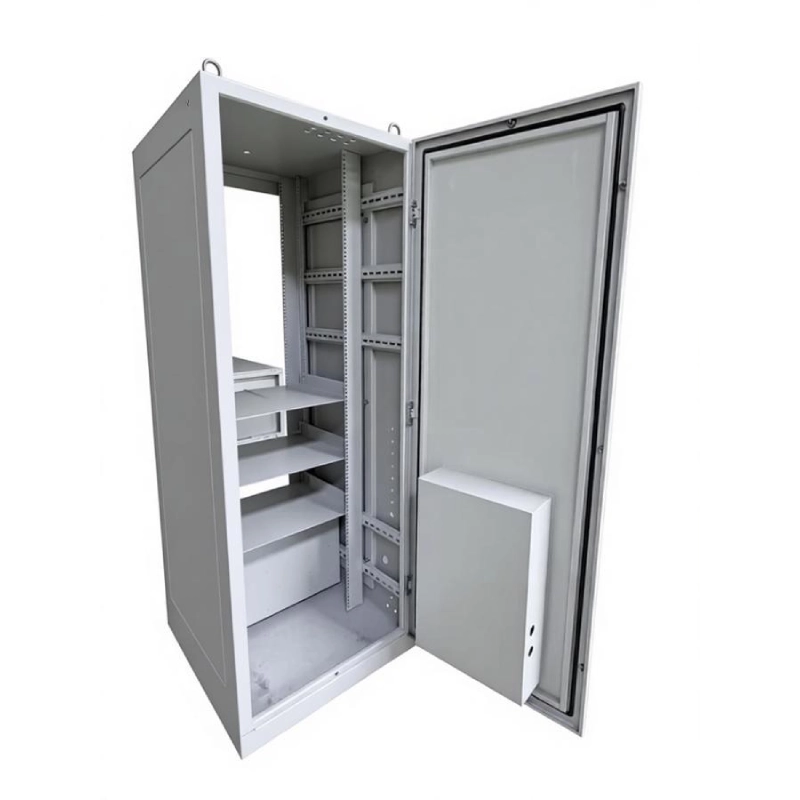
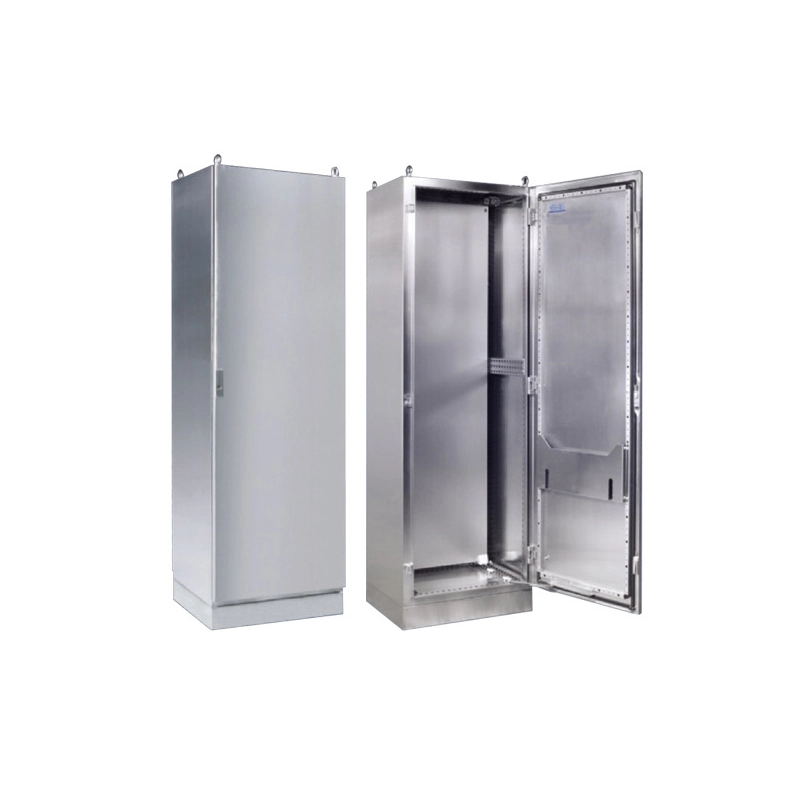
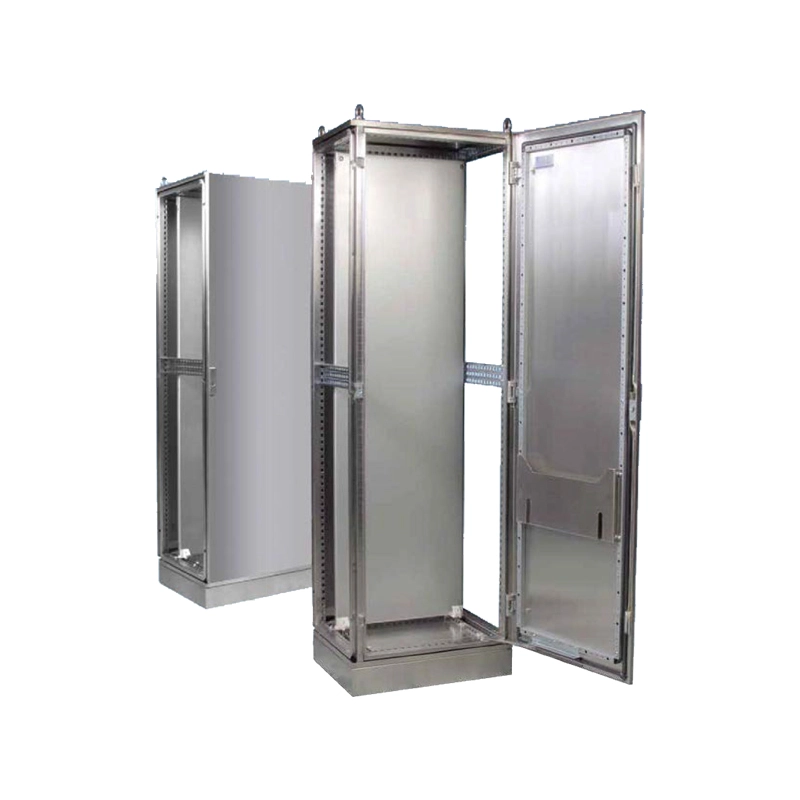
Customization goes far beyond simply altering the height and width. It involves precise laser cutouts for human-machine interfaces (HMIs), specialized mounting brackets, custom gland plates, and integrated viewing windows. A reputable manufacturing partner will offer comprehensive bespoke engineering services to ensure the final product seamlessly integrates into your existing architectural or mechanical setup. For large-scale factory automation and power distribution, massive industrial stainless steel control cabinets provide the necessary volumetric space, load-bearing capacity, and structural integrity to house complex arrays of programmable logic controllers and heavy motor drives safely.
Industry-Specific Applications and Solutions
The inherent versatility of stainless steel allows these housings to be the backbone of infrastructure across a diverse range of critical sectors.
- Food and Beverage & Pharmaceuticals: In industries where consumer safety is paramount, strict sanitary regulations (such as FDA or EHEDG guidelines) mandate the use of hygienic stainless steel food processing enclosures. These specialized units are meticulously designed with sloped roofs to prevent water and debris from pooling. They feature perfectly smooth, crevice-free surfaces and concealed hinges that resist bacterial growth and withstand rigorous, daily chemical sanitation procedures.
- Telecommunications and Renewable Energy: As infrastructure expands into remote and unforgiving environments, protecting vital communication nodes, solar inverters, and battery storage is critical. Deploying weatherproof outdoor stainless steel enclosures protects these expensive assets from aggressive UV radiation, extreme ambient temperature fluctuations, heavy rainfall, and potential vandalism.
Selecting the Right Manufacturing Partner
The performance of your enclosure is directly tied to the capabilities of the manufacturer. You need a supplier with a proven track record of precision fabrication, strict quality control protocols, and deep industry knowledge. Xinyuanda leverages state-of-the-art laser cutting, CNC bending, and robotic welding technologies to deliver products that meet and exceed the highest international electrical standards.
When evaluating a supplier, it is vital to assess their engineering support capabilities, their proficiency in achieving specific NEMA/IP ratings, and their agility in handling both low-volume custom prototypes and high-volume, standardized production runs without compromising on quality.
Maintenance Tips for Maximum Longevity
While stainless steel is exceptionally resilient and often considered maintenance-free, a minimal amount of proper care can significantly extend its lifespan and preserve its clean aesthetic appeal.
Routine cleaning with warm water, mild detergents, and a soft cloth is usually sufficient to remove superficial dirt and grime. It is crucial to avoid using abrasive scouring pads, carbon steel brushes, or steel wool, as these can embed microscopic iron particles into the stainless surface, which will eventually rust and compromise the passive layer. Additionally, for specialized environments, routine inspection of door gaskets, locking mechanisms, and hinges is crucial to ensure that the protective NEMA or IP ratings are not degraded by mechanical wear and tear over time.
Conclusion
In conclusion, a meticulously engineered stainless steel enclosure is far more than a simple metal box; it is a critical investment in the long-term reliability, safety, and efficiency of your electrical systems. By thoroughly understanding your specific environmental challenges and specifying the correct steel grade, environmental ratings, and custom features, you can proactively prevent costly operational downtime. Whether your project requires standard protective housings or highly complex, tailored solutions, Xinyuanda is dedicated to providing robust, precision-engineered enclosures that consistently stand the test of time in any environment.
Frequently Asked Questions (FAQs)
Q1: What is the primary difference between 304 and 316L stainless steel enclosures?
A: The main difference lies in their chemical composition. While 304 stainless steel offers excellent corrosion resistance for most indoor and mild outdoor environments, 316L contains an added element called molybdenum. This addition drastically increases the metal’s resistance to pitting and corrosion caused by chlorides, making 316L the necessary choice for marine environments, coastal areas, and facilities utilizing harsh cleaning chemicals.
Q2: Can I request customized cutouts and dimensions for my specific equipment?
A: Yes, absolutely. High-quality manufacturers provide extensive customization options. You can request specific dimensions, precise laser cutouts for screens and buttons, custom internal mounting panels, specific door configurations, and pre-drilled holes for cable glands to ensure the enclosure perfectly fits your unique equipment and operational layout.
Q3: What NEMA or IP rating do I need if the enclosure will be installed outdoors and subjected to heavy rain and hose-downs?
A: For outdoor installations exposed to heavy rain, direct water jets, and potential corrosion, you should look for a NEMA 4X or an IP66 rating at a minimum. These ratings certify that the enclosure is completely dust-tight, highly resistant to corrosion, and fully protected against powerful jets of water from any direction, ensuring the internal components remain safe and dry.