

The Role of Reliable Enclosures in Securing Energy Storage Systems (ESS)
Release time: 2026-06-08
Table of Contents
The global transition toward renewable energy has placed unprecedented importance on energy storage systems (ESS). From solar farms in scorching deserts to wind turbines in freezing coastal regions, lithium-ion battery banks and their associated power conversion systems are the backbone of the modern grid. However, these highly advanced components are inherently sensitive to their operating environment. Ensuring the continuous, safe, and efficient operation of these critical infrastructures relies heavily on one foundational element: the outer protective housing. The role of reliable enclosures in securing energy storage systems cannot be overstated, as they form the first and most crucial line of defense against both environmental hazards and catastrophic operational failures.
Why ESS Needs Ultimate Protection: Environmental and Operational Threats
Energy storage systems are rarely deployed in perfect, climate-controlled indoor settings. Most utility-scale and commercial microgrids require robust weatherproof outdoor ESS housing solutions to withstand relentless environmental assaults. Rain, snow, wind-driven dust, salt spray, and extreme ultraviolet (UV) radiation can quickly degrade unprotected electronic components.
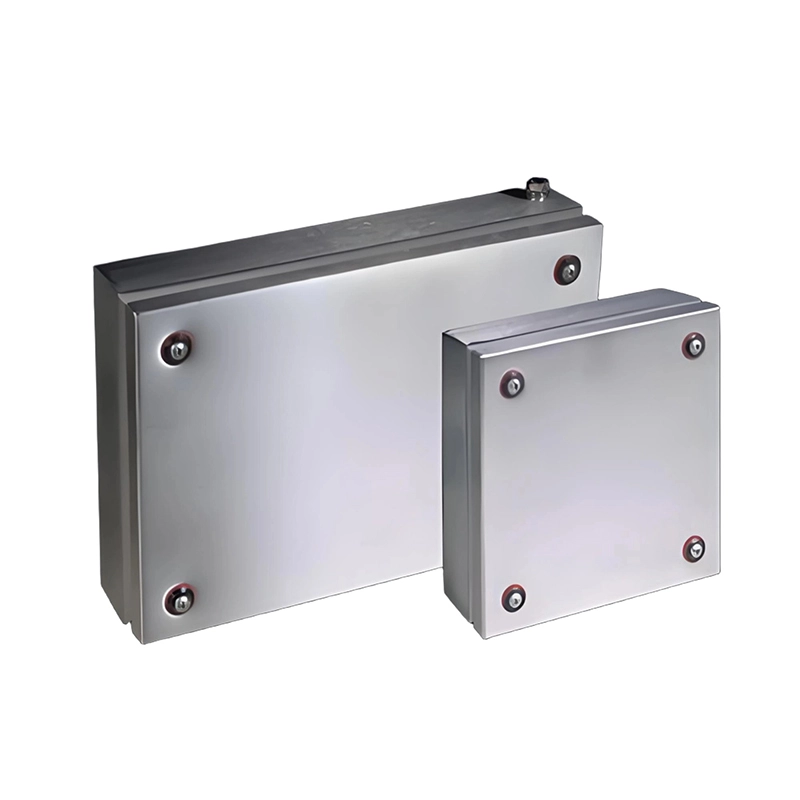
When moisture penetrates a battery cabinet, it can lead to short circuits, arc flashes, and total system failures. Similarly, salt-laden air in coastal installations accelerates oxidation, which can compromise the structural integrity of standard metal housings. In these demanding scenarios, specifying an industrial stainless steel electrical enclosure is not merely a design preference—it is a mandatory engineering safeguard. A properly sealed unit blocks ingress from water and particulates, maintaining a clean and dry internal microclimate that is essential for the longevity of inverters, switchgear, and delicate battery management systems (BMS).
Key Features of High-Quality ESS Enclosures
Not all protective cabinets are created equal. The material composition, structural design, and sealing technologies define the efficacy of the enclosure. For the renewable energy sector, durability and corrosion resistance are paramount.
Using a premium stainless steel enclosure provides unmatched mechanical strength and chemical resistance. This is particularly vital for protecting sensitive electronic components from corrosion over a project lifespan that often spans 15 to 20 years. Furthermore, heavy-duty metal housings for renewable energy must undergo rigorous testing to achieve high Ingress Protection (IP) ratings, such as IP65 or IP66, and National Electrical Manufacturers Association (NEMA) ratings like NEMA 3R, 4, or 4X.
To illustrate the differences in material selection for energy storage deployment, consider the following comparison:
| Material Type | Corrosion Resistance | Impact Strength | Thermal Conductivity | Ideal ESS Application Scenarios |
|---|---|---|---|---|
| 316L Stainless Steel | Excellent (Marine Grade) | Very High | Moderate | Coastal areas, offshore wind, highly corrosive industrial zones |
| 304 Stainless Steel | High | High | Moderate | Standard outdoor grid stations, commercial solar farms |
| Carbon Steel (Coated) | Good (if uncompromised) | High | Moderate | Indoor sub-stations, dry and mild outdoor climates |
| Aluminum | High | Moderate | High | Rooftop ESS, weight-restricted commercial installations |
Advanced Thermal Management and Safety in Battery Storage
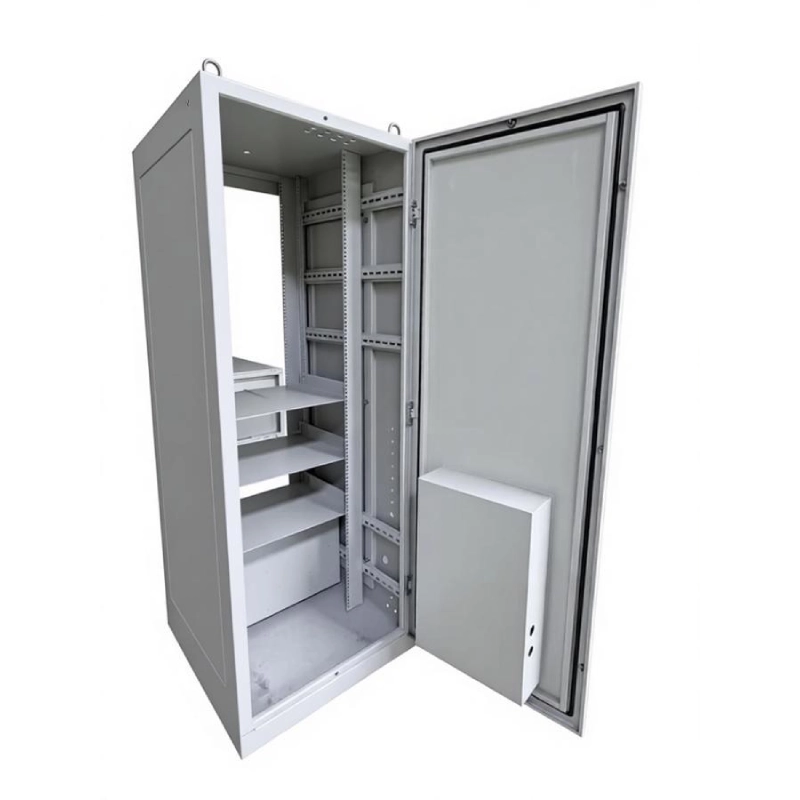
Beyond environmental shielding, the most critical function of an ESS enclosure is temperature regulation. High-density battery modules generate significant heat during charge and discharge cycles. If this heat is not dissipated efficiently, it can significantly degrade battery capacity and lifespan. Proper thermal management in battery enclosures involves the intelligent integration of HVAC systems, liquid cooling loops, or forced-air ventilation directly into the cabinet architecture.
Moreover, reliable enclosures play an active role in preventing thermal runaway in energy storage architectures. Advanced cabinets are designed with compartmentalization, fire suppression system (FSS) integration, and deflagration venting mechanisms. If a single battery cell fails and catches fire, a robust enclosure contains the event, safely venting explosive gases away from personnel and preventing the fire from cascading to adjacent battery racks.
Modular and Independent Solutions for Complex Grids
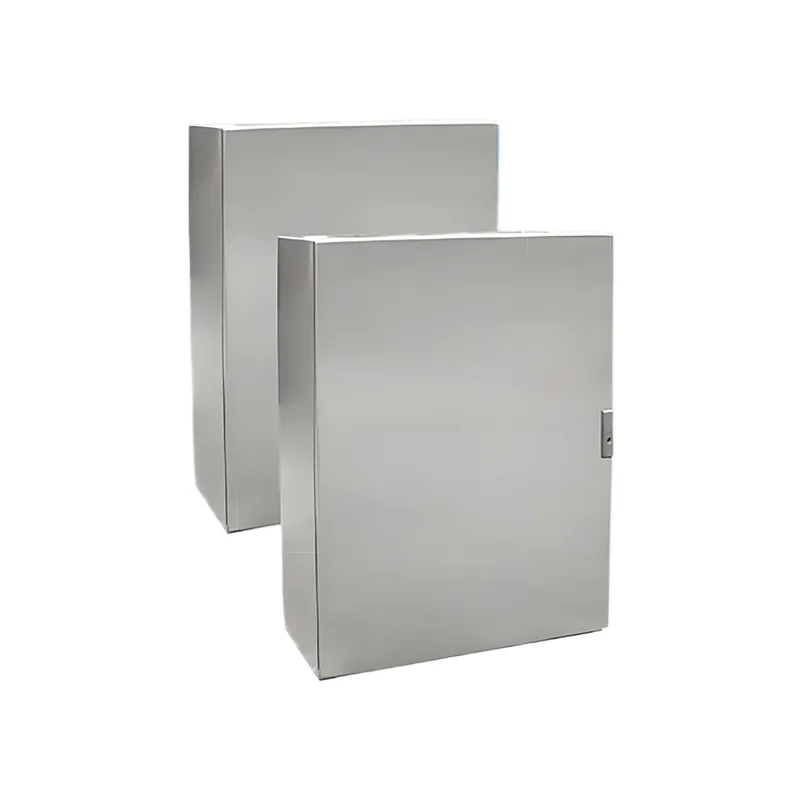
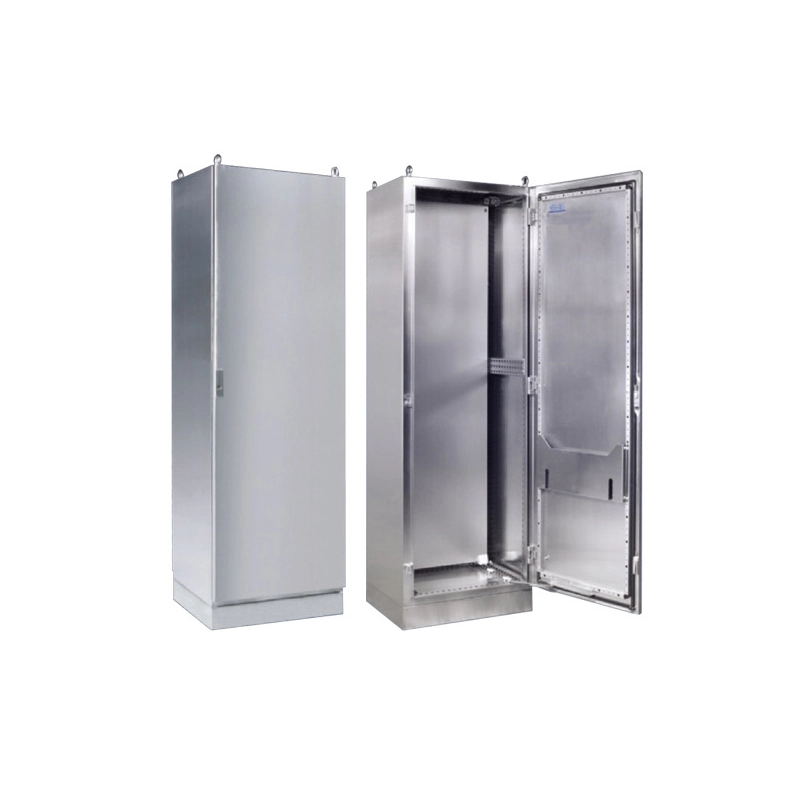
As energy storage demands grow, so does the complexity of the power distribution network. Large-scale utility projects rarely rely on a single, monolithic cabinet. Instead, they require a decentralized approach. By utilizing independent electrical control cabinets, engineers can physically isolate sensitive control logic, SCADA systems, and communication hardware from the high-voltage battery arrays and transformers.
This modularity is the cornerstone of grid-scale battery energy storage protection. It allows maintenance crews to safely service low-voltage monitoring equipment without shutting down or risking exposure to the high-voltage energy storage sections. Additionally, deploying customized power distribution cabinet solutions enables developers to tailor the electrical routing to the specific topographical and spatial constraints of the site. Industry pioneers like Xinyuanda recognize that intelligent, modular housing design is essential for scaling complex energy projects while minimizing downtime and maintenance costs.
Compliance, Certifications, and Long-Term ROI
Investing in top-tier protective infrastructure directly impacts the Return on Investment (ROI) of an energy storage project. Cheap or inadequate housings inevitably lead to premature equipment failure, expensive emergency maintenance, and unacceptable grid downtime. Insurers and financial backers of utility projects mandate strict adherence to international safety and electrical standards (such as UL 9540 and IEC 62933).
Working with established manufacturing experts such as Xinyuanda ensures that the enclosures meet or exceed these rigorous global standards right out of the factory. Precision manufacturing ensures that door gaskets maintain their compression over decades, hinges do not seize, and integrated cooling channels remain leak-free.
Conclusion
The rapid expansion of the renewable energy sector relies heavily on the dependability of energy storage systems. However, the sophisticated technology inside these systems is entirely dependent on the structural integrity of the outside shell. From deflecting harsh weather to containing internal fire risks, a high-quality stainless steel enclosure is a critical asset, not a passive box. By prioritizing premium materials, intelligent thermal design, and strict manufacturing standards, developers can secure their critical infrastructure for decades. Selecting a reliable partner like Xinyuanda to provide these robust solutions is an investment in the safety, efficiency, and ultimate success of our sustainable energy future.
Frequently Asked Questions (FAQs)
Q1: How does a reliable enclosure impact the overall lifespan of an energy storage system?
A: A reliable enclosure directly extends the lifespan of an ESS by maintaining an optimal internal operating environment. By preventing water and dust ingress, and by actively managing internal temperatures through integrated HVAC systems, the enclosure prevents premature battery degradation and protects sensitive electronic circuits from corrosion and short circuits.
Q2: What IP and NEMA ratings should I look for in an outdoor ESS cabinet?
A: For outdoor energy storage systems, an absolute minimum of IP54 is required to protect against dust and splashing water. However, for true weatherproof reliability, IP65 or IP66 (dust-tight and protected against heavy water jets) is highly recommended. In the NEMA system, NEMA 3R or NEMA 4 is standard for outdoor use, while NEMA 4X is required for corrosive environments, such as coastal areas requiring stainless steel construction.
Q3: Can these electrical enclosures be customized to fit specific battery and inverter configurations?
A: Yes, absolutely. Professional manufacturers design customized enclosures based on the specific dimensional, thermal, and electrical requirements of your project. Customizations often include specific mounting racks for different battery brands, precise cutouts for localized HVAC integration, dedicated cable management routing, and specialized compartments for fire suppression systems.