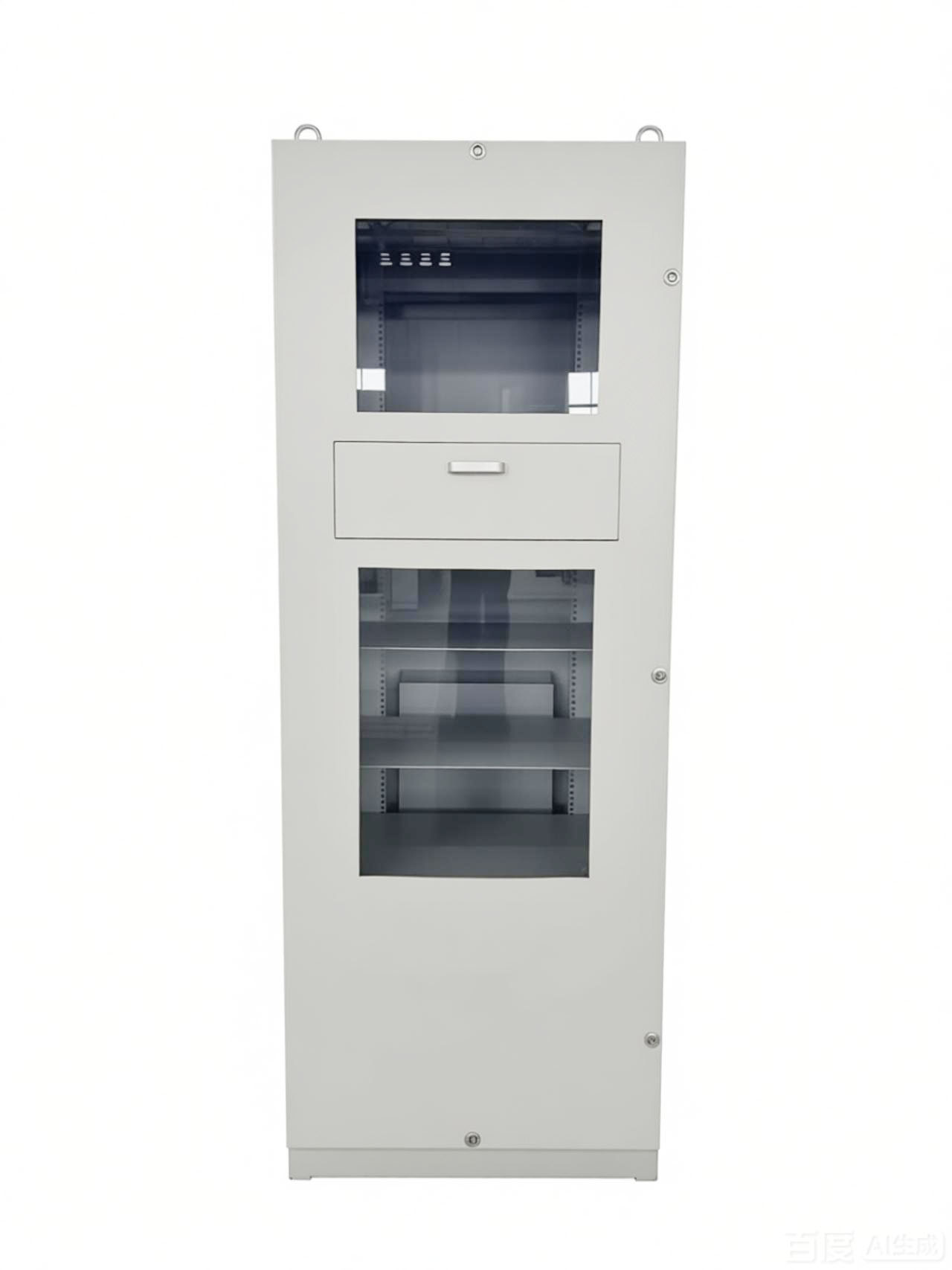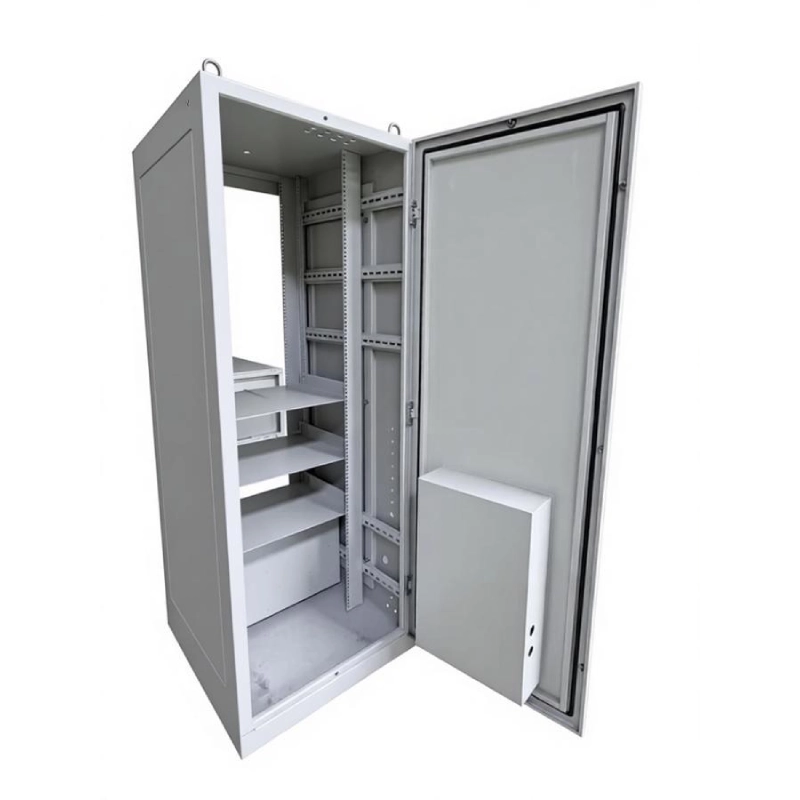


모듈형 전기함 vs. 용접형 캐비닛: PS 시리즈를 선택해야 하는 이유는 무엇일까요?
Release time: 2026-08-10
목차
When planning an industrial infrastructure project, selecting the right protective housing for your control systems and power distribution networks is a critical decision. For decades, the industry standard relied heavily on traditional welded steel boxes. However, as global electrical projects grow in complexity—incorporating renewable energy grids, smart automation, and rapidly expanding facilities—the demand for adaptable, cost-effective solutions has surged. Today, the debate between utilizing fixed welded boxes and adopting a 모듈형 전기함 is more relevant than ever.
In this comprehensive guide, we will explore the fundamental differences between these two approaches, highlighting why the innovative PS series electrical cabinet is becoming the preferred choice for forward-thinking engineers, contractors, and facility managers looking to optimize both their upfront logistics and long-term operational efficiency.
The Traditional Approach: Understanding Welded Cabinets
Traditional welded cabinets are constructed from single sheets of metal (typically cold-rolled steel or stainless steel) that are folded and continuously welded at the seams to create a rigid, unified box.
Strengths of Welded Construction
The primary advantage of a welded structure is its inherent monolithic strength. Because there are no mechanical joints or assembly seams, they naturally offer excellent ingress protection against dust and moisture, making high IP or NEMA ratings relatively straightforward to achieve. For simple, small-scale applications where the internal components are completely finalized and will never require expansion—such as a basic, standalone machine control box—a welded unit can be an effective, straightforward solution.
The Limitations in Modern Applications
However, the monolithic nature of welded cabinets presents significant drawbacks in modern, dynamic industrial settings:
- Zero Scalability: Once a welded box is built, its size is absolute. If a facility needs to add additional variable frequency drives (VFDs) or switchgear later, they cannot simply expand the existing housing. They must purchase an entirely new unit or attempt complex, often unsafe, field modifications.
- Logistical Nightmares: Shipping large, empty metal boxes internationally is highly inefficient. You are essentially paying to transport “air,” which drives up freight costs dramatically.
- Difficult Maintenance: Access to internal wiring and components is typically restricted to a single front door. This makes routing cables, replacing heavy backplates, or troubleshooting crowded electrical layouts cumbersome and time-consuming.
The Evolution of Flexibility: Modular Enclosure Systems
To overcome the rigid limitations of monolithic boxes, the industry shifted toward modularity. A 모듈형 전기함 is built around a robust, standardized internal frame (often a 9-fold or 16-fold roll-formed profile). Instead of welded seams, the side panels, roof, rear panels, and doors are mechanically fastened to this structural skeleton.
This design philosophy transforms the cabinet from a static box into a dynamic, flexible electrical enclosure system that adapts to the specific life cycle of your project.
Why Flexibility Matters in Industrial Design
Modern energy infrastructure, such as solar power inverters, EV charging stations, and automated manufacturing lines, rarely remains static. As production capacity increases or technology upgrades, your electrical housing must adapt. Frame-based construction allows engineers to simply remove a side panel and “bay” (connect) a new enclosure directly alongside the existing one, seamlessly expanding the system without ripping out the original installation.
Furthermore, because the exterior panels are removable, technicians gain 360-degree access to the internal mounting plates, making complex wiring and maintenance significantly faster and safer.
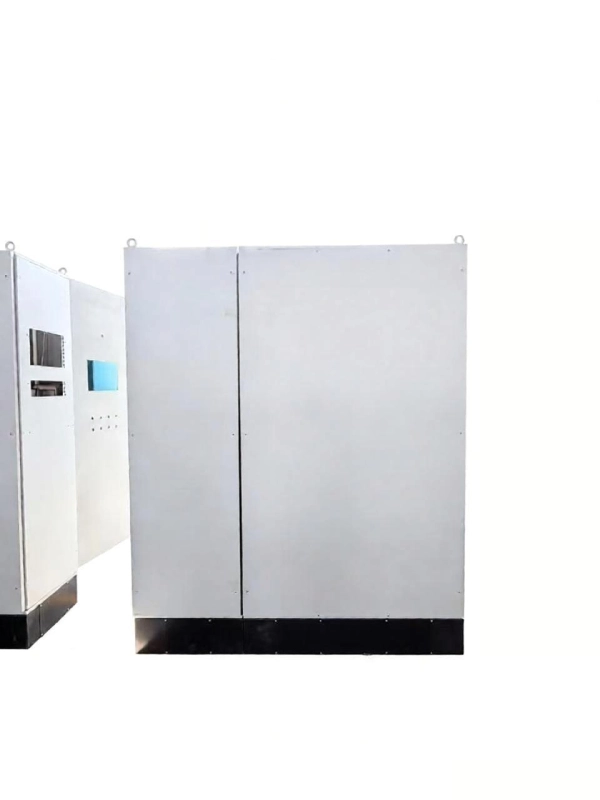
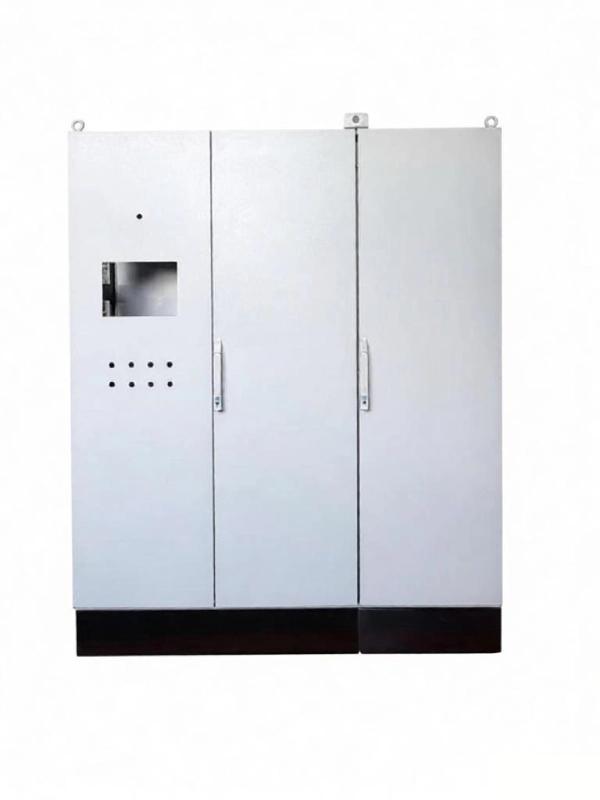
Deep Dive: The PS Series Advantage
When evaluating modular options, the PS series electrical cabinet stands out as an industry-leading solution that balances heavy-duty structural integrity with ultimate adaptability. While some manufacturers still rely on older, heavier designs, specialized manufacturers like Xinyuanda have refined the production of thermal and environmental control equipment, understanding the critical need for precision in industrial enclosures.
The PS Series utilizes a sophisticated multi-fold frame profile. This geometric engineering ensures that despite being assembled from separate parts, the load-bearing capacity rivals or even exceeds that of standard welded equivalents. It can easily support heavy industrial switchgear, large transformers, and dense automation components.
Cost-Effective Customization and Logistics
One of the most compelling reasons businesses choose the PS Series over traditional welded options is the profound impact on total project cost, particularly regarding international shipping and rapid deployment.
- Flat-Pack Shipping: Because the PS Series consists of a frame and separate panels, it can be shipped in a “knock-down” or flat-pack configuration. This drastically reduces shipping volume, cutting logistics costs by up to 70% compared to shipping fully welded, empty cabinets.
- Rapid Assembly: Standardized hardware and precision CNC manufacturing ensure that these flexible electrical enclosures can be bolted together quickly on-site, reducing labor hours.
- Inventory Efficiency: Panel builders and distributors can stock standard frames, doors, and panels, configuring them on demand rather than holding large inventories of various-sized welded boxes.
Comparing the Two: A Side-by-Side Analysis
To help you make the best decision for your specific application scenario, review the comparison table below:
| Feature/Requirement | Traditional Welded Cabinets | PS Series Modular Enclosures |
|---|---|---|
| Structural Design | Monolithic, continuously welded seams | Bolted assembly around a multi-fold structural frame |
| Scalability & Expansion | None. Cannot be expanded; requires total replacement. | Excellent. Can be bayed together endlessly as needs grow. |
| Internal Accessibility | Limited to front door (and sometimes rear door) | 360-degree access via removable side, rear, and roof panels. |
| Shipping & Logistics | High cost. Ships fully assembled, taking up maximum cargo space. | Low cost. Can be flat-packed, reducing freight volume by up to 70%. |
| Ideal Application Scenarios | Small, fixed, standalone machinery; highly corrosive washdown areas. | Substation power grids, data centers, expanding factory automation. |
| Initial Purchase Cost | Generally lower for very small, basic sizes. | Slightly higher upfront, but significantly lower Total Cost of Ownership (TCO). |
Partnering for Success: The Xinyuanda Perspective
While the core concept of modularity is powerful, the execution depends entirely on the manufacturing quality. Tolerances must be exact; otherwise, the bolted joints will fail to provide adequate environmental sealing.
회사들 신위안다, known for their precision in high-temperature industrial ovens and tunnel furnaces, understand the critical importance of micron-level accuracy in sheet metal fabrication. When dealing with specialized electrical housing or thermal control cabinets, leveraging a manufacturer that applies rigorous CNC bending and DFM (Design for Manufacturing) principles ensures that your modular system fits together seamlessly, maintaining its structural strength and IP rating in the harshest environments. Whether you are housing sensitive electronics for automated drying systems or heavy power distribution networks, choosing a high-quality manufacturer is paramount.
결론
The choice between a welded cabinet and a modular system ultimately comes down to your project’s future. If your system is small, isolated, and completely static, a welded box might suffice. However, in today’s fast-paced industrial landscape, adaptability is synonymous with profitability.
By choosing a modular solution like the PS Series, you are not just buying a metal box; you are investing in a scalable, logistical-friendly infrastructure that protects your internal components today and easily expands to meet the unforeseen demands of tomorrow. The slight premium in upfront component cost is rapidly offset by massive savings in shipping, installation labor, maintenance downtime, and future upgrade capabilities.
자주 묻는 질문(FAQ)
1. Do modular enclosures offer the same level of water and dust protection as welded cabinets?
Yes, when manufactured correctly. High-quality modular cabinets utilize precision-engineered frames and continuous polyurethane gaskets on all removable panels and doors. This allows them to achieve stringent IP54, IP55, and even IP66 ratings, making them highly effective against dust and water ingress in demanding industrial environments.
2. Is it difficult to assemble a flat-packed modular electrical cabinet on site?
No, modern modular systems are designed for rapid assembly. They utilize standardized hardware, self-aligning brackets, and pre-threaded mounting holes. A trained technician can assemble a standard modular frame in a fraction of the time it takes to manually drill and modify a traditional welded box.
3. Can I connect multiple modular cabinets together?
Absolutely. This is the defining feature of modular systems. Through a process called “baying,” you can remove the side panels of two cabinets and join their frames together using specialized baying kits. This creates a continuous, unified electrical suite, allowing for easy cable routing and component expansion across a long line of connected enclosures.